
INSTITUTE FOR STANDARD AND QUALITY DEVELOPMENT STUDIES


Disposable wet wipes are convenient to use, but they may also contain potential risks that many users do not expect. This article highlights common risks associated with wet wipes and points out important considerations when selecting safer products.
In modern life, disposable wet wipes appear everywhere: from households and restaurants to offices and schools. With just a few simple steps, these products provide an instant feeling of cleanliness and convenience. However, their widespread use also raises concerns: are wet wipes truly safe for users’ health?
Since wet wipes are used directly on the skin, especially for children, issues related to product quality and control have attracted increasing attention. Many consumers are beginning to question the origin, ingredients, and safety assurance of wet wipes currently available on the market.
So, are disposable wet wipes simply a convenient solution or do they pose potential risks? Let us explore this issue with the ISSQ Institute of Quality, from a practical perspective and through the role of certification of disposable wet wipes in conformity with TCVN 11528:2016 in controlling product quality and minimizing risks during use.
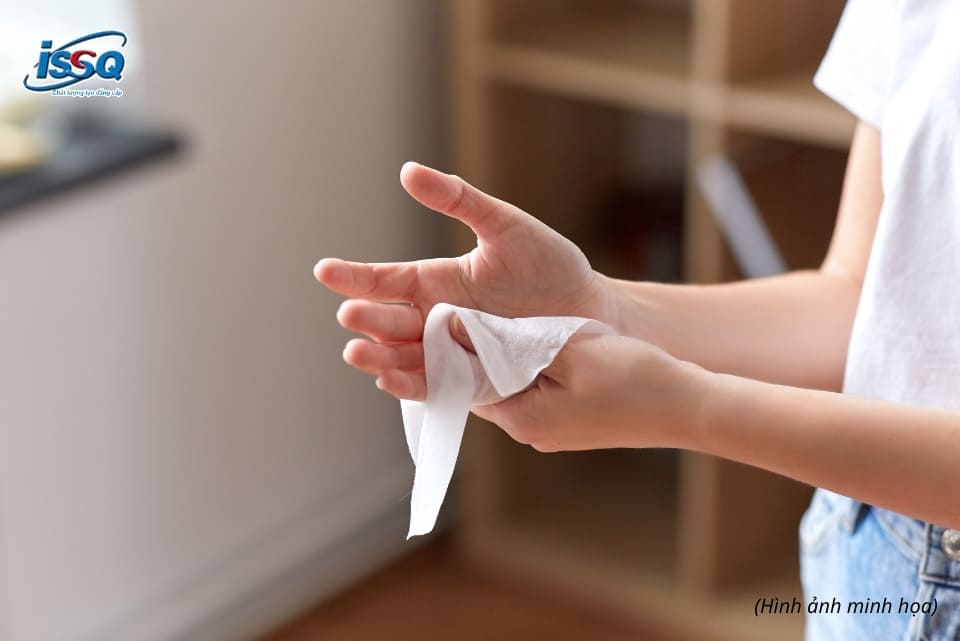
Disposable wet wipes are products made from soft nonwoven fabric that are pre-soaked with purified water and certain additives such as fragrances, preservatives, or moisturizing agents.
Thanks to their soft, moist, and convenient characteristics, wet wipes are widely used for hand cleaning, face wiping, personal hygiene, or quick makeup removal when water is not available.
These products are usually packaged in convenient forms such as individual sachets, boxes, or resealable bags, making them easy to carry and use anywhere.
A key characteristic of wet wipes is that they are intended for single use only, which helps reduce contamination risks and maintain hygiene during use.
Because wet wipes are used directly on the skin and widely applied in daily life, they require strict control of raw material quality, wetting solution ingredients, and manufacturing conditions, especially for users with sensitive skin. This is also why these products need to be carefully evaluated for safety.
Although convenient, disposable wet wipes may still present certain risks if product quality and usage are not properly controlled. Common risks include:
These risks mainly arise from product quality and usage habits, rather than from the inherent nature of disposable wet wipes. Therefore, selecting quality-assured products and using them appropriately is essential to reduce risks.
TCVN 11528:2016 is the Vietnamese national technical standard for disposable wet wipes.
This standard applies to wet wipe products made from nonwoven fabrics, intended for single use for human hygiene purposes.
According to the standard, nonwoven fabric refers to sheet-like materials made from fibers bonded together without weaving or knitting processes such as those used for knitted, woven, lace, or braided fabrics. Film and paper structures are not considered nonwoven fabrics.
Wet wipes are therefore products made from nonwoven fabric impregnated with appropriate solutions and designed for safe human use.
Wet wipes are square or rectangular in shape, with dimensions specified by the manufacturer.
Permissible tolerance:
Length: −5%
Width: −5%
Wet wipes must not have mechanical defects such as holes or tears.
They must be clean, free from stains and foreign impurities. The surface must not contain loose fibers.
The wipes must be flat and well-shaped, with straight and even folds.
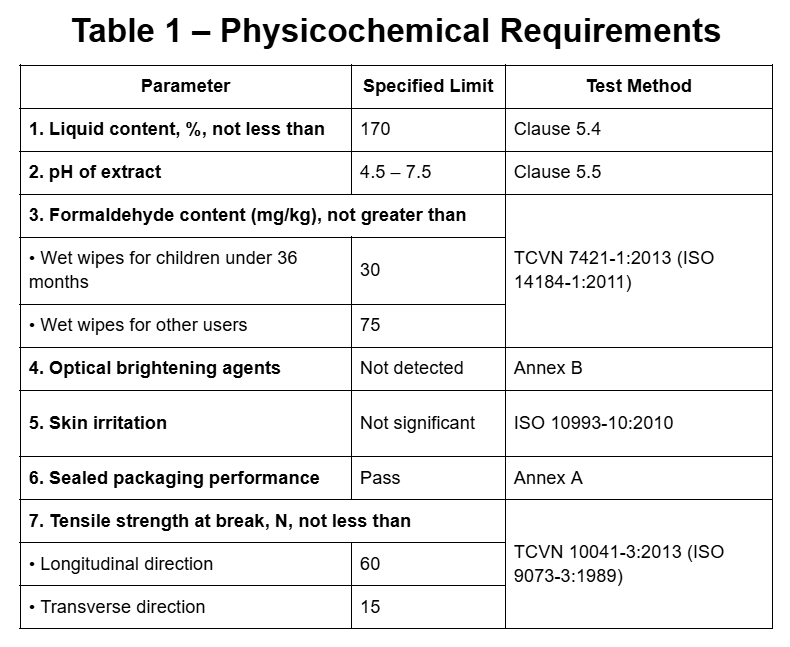
Wet wipes must meet the physicochemical requirements specified in Table 1.
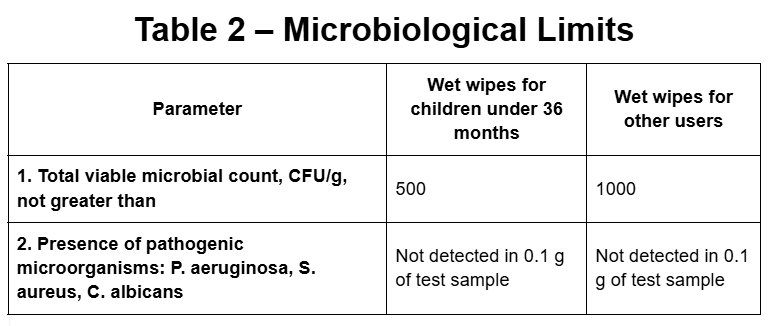
Wet wipes must comply with microbiological limits specified in Table 2.
Packaging must contain durable, clear, and complete labeling with at least the following information:
Name, brand, and address of the manufacturer, importer, or distributor
Product name and trademark
Intended users (children under 36 months or other users)
Intended use of the wet wipes
Dimensions and quantity of wipes per package
Main ingredients of the product
Instructions for use
Manufacturing date and expiry date
Reference number of the applicable standard
Packaging materials in direct contact with the product must not affect product quality.
Packaging must be sealed and durable to ensure protection during normal transportation and storage conditions.
During transportation, clean vehicles must be used to prevent contamination.
Wet wipe products should be stored in cool, dry, and clean environments, protected from insects, rodents, heat sources, dust, and direct sunlight.
Certification of disposable wet wipes in conformity with TCVN 11528:2016 provides many practical benefits for businesses:
Provides technical evidence demonstrating product quality
Supports control of microbiological and ingredient-related risks
Enhances consumer and partner confidence
Improves brand image and credibility
Facilitates internal quality management and product improvement
Certification not only helps enterprises systematically control product quality but also contributes to building long-term trust in the market.
Since wet wipes come into direct contact with the skin, consumers should consider the following:
Check product labeling and origin
Pay attention to wetting solution ingredients
Prioritize products manufactured according to recognized standards
Use the product for its intended purpose
Store and use properly
Selecting appropriate products and using them correctly helps maintain convenience while protecting consumer health.
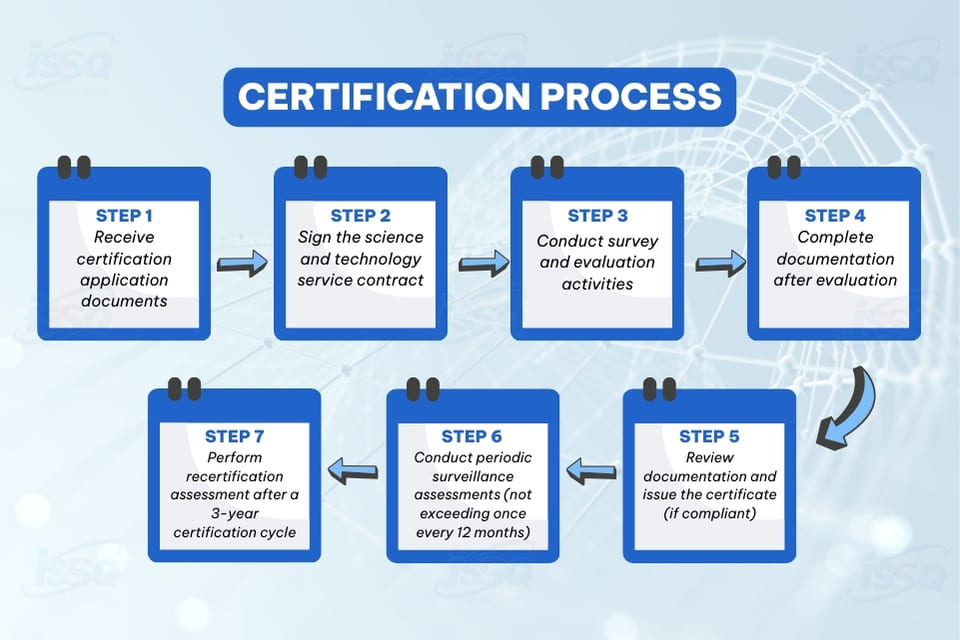
The certification process typically includes the following steps:
Receiving the certification application dossier
Signing a science and technology service contract
Conducting inspection and assessment
Completing post-assessment documentation
Reviewing documents and issuing the certificate (if compliant)
Conducting periodic surveillance assessments (not exceeding once every 12 months)
Re-certification after a 3-year certification cycle
Disposable wet wipes bring many conveniences to daily life. However, product safety largely depends on quality and manufacturing control.
Choosing wet wipes with clear origin and certified in conformity with TCVN 11528:2016 helps consumers feel more confident when using them, while also enabling enterprises to demonstrate responsibility and credibility in the marketplace.
If your company needs certification for disposable wet wipes, please contact the ISSQ Institute of Quality via:
Published date: 26/12/2025


