
Viện nghiên cứu phát triển tiêu chuẩn chất lượng
INSTITUTE FOR STANDARD AND QUALITY DEVELOPMENT STUDIES


INSTITUTE FOR STANDARD AND QUALITY DEVELOPMENT STUDIES

Khăn ướt dùng một lần tuy tiện dụng nhưng lại ẩn chứa những nguy cơ mà nhiều người dùng không ngờ tới. Bài viết này sẽ chỉ ra các rủi ro thường gặp khi sử dụng khăn ướt và những điểm cần lưu ý để lựa chọn sản phẩm an toàn hơn.
Trong đời sống hiện đại, khăn ướt dùng một lần xuất hiện ở khắp nơi: từ gia đình, quán ăn đến văn phòng, trường học. Chỉ với vài thao tác đơn giản, sản phẩm này mang lại cảm giác sạch sẽ và tiện lợi tức thì. Nhưng sự phổ biến ấy cũng kéo theo không ít băn khoăn: khăn ướt có thực sự an toàn cho sức khỏe người dùng?
Khi khăn ướt được sử dụng trực tiếp trên da, đặc biệt với trẻ nhỏ, vấn đề chất lượng và mức độ kiểm soát sản phẩm ngày càng được quan tâm. Không ít người tiêu dùng bắt đầu đặt câu hỏi về nguồn gốc, thành phần và mức độ đảm bảo an toàn của các loại khăn ướt đang lưu thông trên thị trường.
Vậy khăn ướt dùng một lần là giải pháp tiện dụng hay tiềm ẩn nguy hiểm? Hãy cùng Viện Chất lượng ISSQ tìm hiểu rõ hơn qua góc nhìn thực tế và vai trò của chứng nhận hợp chuẩn khăn ướt dùng một lần theo TCVN 11528:2016 trong việc kiểm soát chất lượng sản phẩm giảm thiểu rủi ro trong quá trình sử dụng.
Khăn ướt dùng một lần là sản phẩm được làm từ vải không dệt mềm, bên trong được tẩm sẵn nước tinh khiết cùng một số chất phụ gia như hương liệu, chất bảo quản hoặc thành phần dưỡng ẩm. Nhờ đặc tính mềm, ẩm và dễ sử dụng, khăn ướt được nhiều người lựa chọn để lau tay, lau mặt, vệ sinh cá nhân hoặc tẩy trang nhanh trong các tình huống không có sẵn nước.
Sản phẩm này thường được đóng gói nhỏ gọn, có thể là từng gói riêng lẻ hoặc dạng hộp, túi có nắp, thuận tiện mang theo và sử dụng ở bất cứ đâu. Điểm đặc trưng của khăn ướt là chỉ nên sử dụng một lần duy nhất, nhằm hạn chế nguy cơ nhiễm bẩn và đảm bảo vệ sinh trong quá trình sử dụng.
Chính vì được dùng trực tiếp trên da và phổ biến trong sinh hoạt hằng ngày, khăn ướt dùng một lần đặt ra yêu cầu cao về chất lượng nguyên liệu, thành phần tẩm ướt và điều kiện sản xuất, đặc biệt đối với các đối tượng có làn da nhạy cảm. Đây cũng là lý do sản phẩm này cần được nhìn nhận và đánh giá một cách nghiêm túc về mức độ an toàn.

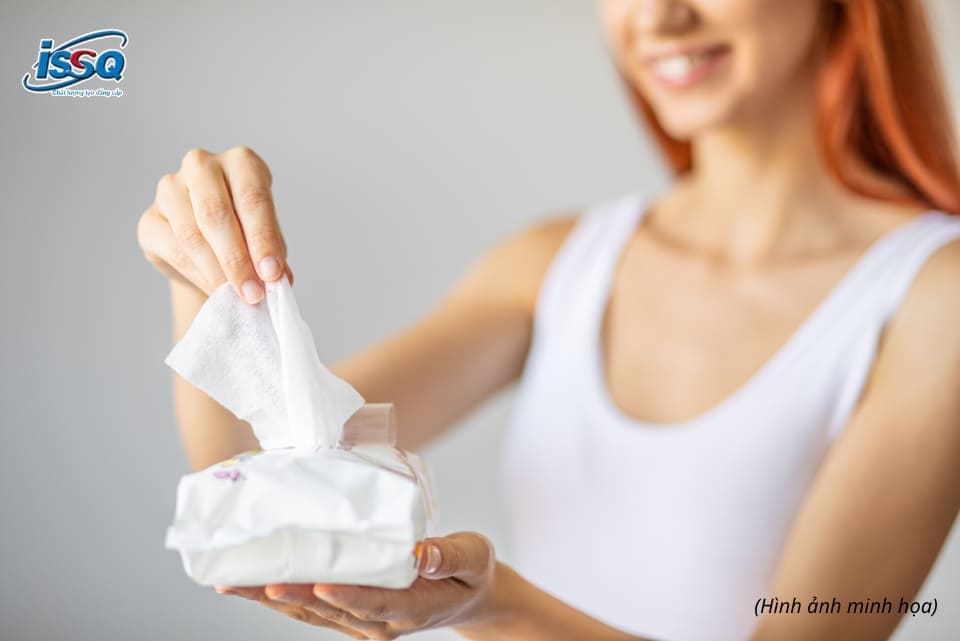
Dù mang lại sự tiện lợi, khăn ướt dùng một lần vẫn tiềm ẩn một số rủi ro nếu chất lượng sản phẩm và cách sử dụng không được kiểm soát. Các nguy cơ phổ biến có thể kể đến gồm:
Các nguy cơ này chủ yếu xuất phát từ chất lượng sản phẩm và cách sử dụng, chứ không phải từ bản chất của khăn ướt dùng một lần. Vì vậy, việc lựa chọn sản phẩm đảm bảo chất lượng và sử dụng đúng cách để hạn chế rủi ro.
TCVN 11528:2016 là tiêu chuẩn kỹ thuật quốc gia về khăn ướt sử dụng một lần. Tiêu chuẩn này áp dụng cho các sản phẩm khăn ướt làm từ vải không dệt, sử dụng một lần, dùng cho người.
Theo tiêu chuẩn TCVN 11528:2016, vải không dệt là sản phẩm dạng tấm xơ hoặc sợi được gắn kết với nhau, nhưng không phải bằng cách đan, dệt sợi như vải dệt kim, vải dệt thoi, đăng ten hoặc vải tết. Các cấu trúc dạng màng và giấy không được coi là vải không dệt. Trong đó khăn ướt là sản phẩm được làm từ vải không dệt, được ngâm tẩm các dung dịch phù hợp, sử dụng an toàn cho người.

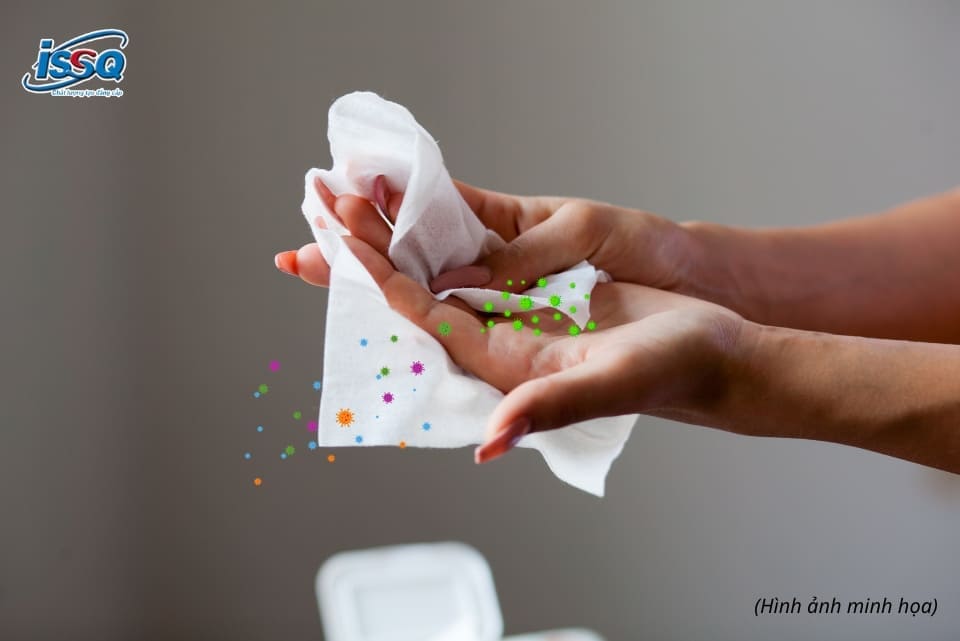
Khăn ướt dạng hình vuông hoặc hình chữ nhật, có kích thước tùy theo quy định của nhà sản xuất. Sai lệch kích thước như sau:
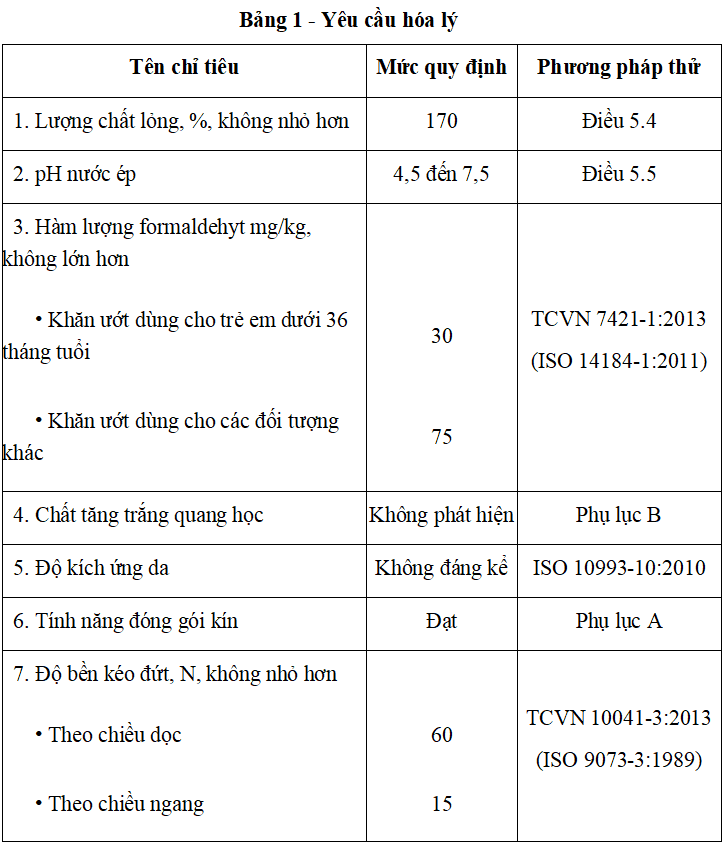
Khăn ướt phải đáp ứng các yêu cầu hóa lý quy định ở Bảng 1.

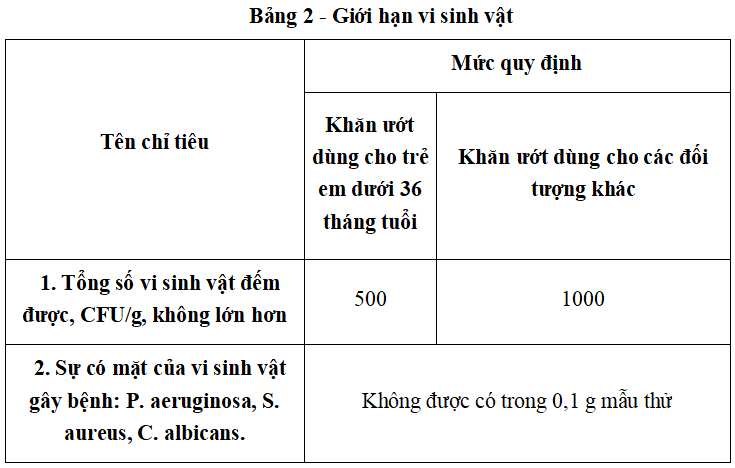
Khăn ướt phải đáp ứng các giới hạn vi sinh vật quy định ở Bảng 2.

Trên bao gói của khăn ướt phải được ghi nhãn bền, đầy đủ và rõ ràng với ít nhất các nội dung sau:
Việc thực hiện chứng nhận hợp chuẩn khăn ướt dùng một lần theo TCVN 11528:2016 mang lại nhiều giá trị thiết thực cho doanh nghiệp trong quá trình sản xuất, kinh doanh và xây dựng uy tín sản phẩm trên thị trường như:
Việc chứng nhận hợp chuẩn khăn ướt dùng một lần không chỉ giúp doanh nghiệp kiểm soát chất lượng khăn ướt dùng một lần một cách bài bản, mà còn góp phần tạo dựng niềm tin bền vững trên thị trường.
Khăn ướt dùng một lần tiếp xúc trực tiếp với da, vì vậy việc lựa chọn sản phẩm phù hợp là giúp hạn chế rủi ro trong quá trình sử dụng. Người tiêu dùng nên lưu ý một số điểm sau:

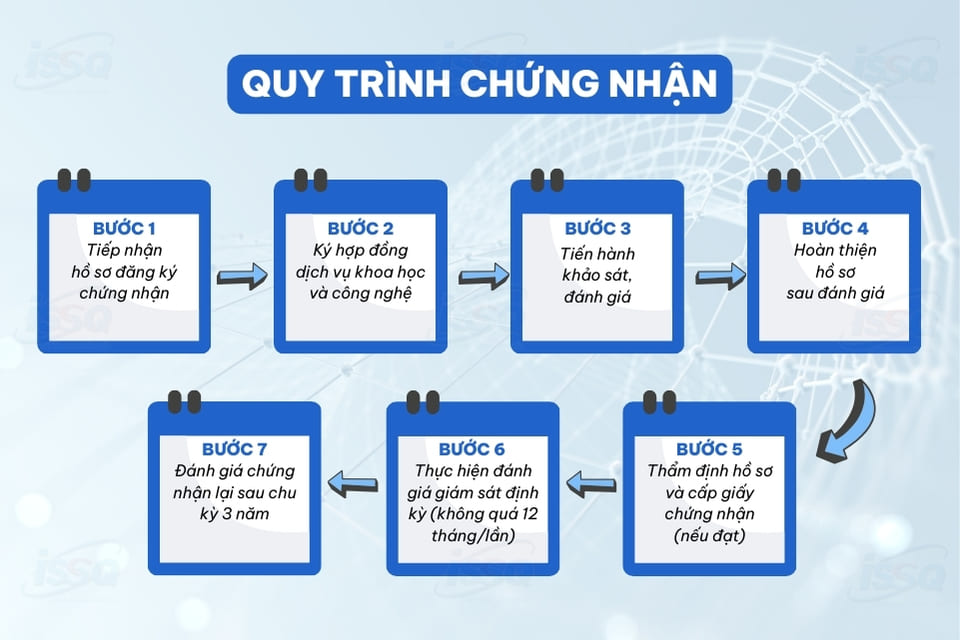
Quy trình chứng nhận hợp chuẩn khăn ướt dùng một lần được thực hiện qua các bước cơ bản sau:
Bước 1: Tiếp nhận hồ sơ đăng ký chứng nhận
Bước 2: Ký hợp đồng dịch vụ khoa học và công nghệ
Bước 3: Tiến hành khảo sát, đánh giá
Bước 4: Hoàn thiện hồ sơ sau đánh giá
Bước 5: Thẩm định hồ sơ và cấp giấy chứng nhận (nếu đạt)
Bước 6: Thực hiện đánh giá giám sát định kỳ (không quá 12 tháng/lần)
Bước 7: Đánh giá chứng nhận lại sau chu kỳ 3 năm

Khăn ướt dùng một lần mang lại nhiều tiện lợi trong sinh hoạt hằng ngày, tuy nhiên mức độ an toàn của sản phẩm phụ thuộc rất lớn vào chất lượng và sự kiểm soát trong quá trình sản xuất.
Việc lựa chọn khăn ướt có nguồn gốc rõ ràng, được chứng nhận hợp chuẩn theo tiêu chuẩn TCVN 11528:2016 là cơ sở quan trọng giúp người tiêu dùng yên tâm hơn khi sử dụng, đồng thời giúp doanh nghiệp khẳng định trách nhiệm và uy tín trên thị trường.
Quý công ty có nhu cầu đánh giá chứng nhận khăn ướt dùng một lần hãy liên hệ với Viện Chất lượng ISSQ theo hotline: 0981851111 hoặc vienchatluong@issq.org.vn | tcvn@issq.org.vn để được hỗ trợ thủ tục.
Ngày đăng: 26/12/2025


