
Viện nghiên cứu phát triển tiêu chuẩn chất lượng
INSTITUTE FOR STANDARD AND QUALITY DEVELOPMENT STUDIES


INSTITUTE FOR STANDARD AND QUALITY DEVELOPMENT STUDIES
26/11/2025
Đồ chơi trẻ em là sản phẩm hoặc vật liệu bất kỳ được thiết kế hoặc được nêu rõ để sử dụng cho trẻ dưới 16 tuổi sử dụng khi chơi. Thị trường đồ chơi ngày càng đa dạng nhưng không phải sản phẩm nào cũng đảm bảo an toàn. Nhiều loại đồ chơi giá rẻ, không rõ nguồn gốc có thể chứa kim loại nặng và hóa chất độc hại, gây nguy hiểm cho sức khỏe và sự phát triển của trẻ nhỏ. Thực trạng này khiến việc nhận diện rủi ro và lựa chọn sản phẩm an toàn trở nên quan trọng hơn bao giờ hết.
Đây cũng là lý do QCVN 3 được ban hành nhằm kiểm soát mức độ an toàn của đồ chơi trước khi đưa ra thị trường, giúp hạn chế tối đa nguy cơ tiền ẩn ảnh hưởng tới sức khỏe và sự phát triển của trẻ.
Hãy cùng Viện Chất lượng ISSQ tìm hiểu những mối nguy tiềm ẩn và cách bảo vệ trẻ trước đồ chơi kém chất lượng.
Trẻ em là nhóm dễ bị tổn thương nhất khi tiếp xúc với các chất độc trong đồ chơi. Để hiểu rõ mức độ nguy hiểm, trước hết cần biết vì sao cơ thể trẻ phản ứng mạnh hơn và nhạy cảm hơn so với người lớn.
Trẻ em thường có thói quen cho đồ chơi vào miệng, cắn, ngậm hoặc chạm tay vào rồi vô tình đưa tay lên miệng, khiến hóa chất dễ dàng xâm nhập vào cơ thể.
Theo một nghiên cứu đăng trên Environmental Science & Technology, trẻ nhỏ có xu hướng tiếp xúc hóa chất qua đường miệng nhiều hơn người lớn, vì hành vi khám phá đồ vật bằng miệng diễn ra thường xuyên.
Ngoài ra, theo Tổ chức Y tế Thế giới (WHO), trẻ hấp thu chì cao gấp 4 – 5 lần so với người lớn khi nuốt phải cùng một lượng chì. Điều này xảy ra vì hệ thần kinh, gan, thận và khả năng đào thải chất độc của trẻ chưa hoàn thiện, khiến cơ thể dễ tích tụ hóa chất độc hại hơn.
Khi trẻ cắn hoặc ngậm đồ chơi, lớp sơn, mực in hay các chi tiết kim loại có thể bong ra, khiến trẻ nuốt phải kim loại nặng hoặc hóa chất độc hại. Không chỉ qua đường miệng, tiếp xúc qua da cũng tiềm ẩn rủi ro, đặc biệt với trẻ có làn da nhạy cảm, vì hóa chất từ lớp phủ đồ chơi có thể thấm qua da hoặc gây kích ứng nếu sản phẩm không đạt chuẩn.
Ngoài ra, nhiều loại đồ chơi kém chất lượng có thể phát thải hơi dung môi, mùi hóa chất hoặc bụi chứa kim loại. Khi trẻ đưa đồ chơi lên gần mặt, việc hít phải các chất này rất dễ xảy ra.
Các kim loại nặng như chì, cadimi, thủy ngân hay crom trong đồ chơi kém chất lượng có thể gây ra nhiều hậu quả đối với trẻ nhỏ như:
Theo WHO, không có mức chì nào là an toàn cho trẻ. Chỉ cần tiếp xúc kéo dài, dù lượng nhỏ, cũng có thể gây ảnh hưởng khó hồi phục.
Vì trẻ nhỏ dễ bị tổn thương và chất độc trong đồ chơi có thể ảnh hưởng trực tiếp đến sức khỏe lâu dài của trẻ. Do đó việc chọn đồ chơi an toàn và kiểm tra sản phẩm theo QCVN 3 là cực kỳ quan trọng.
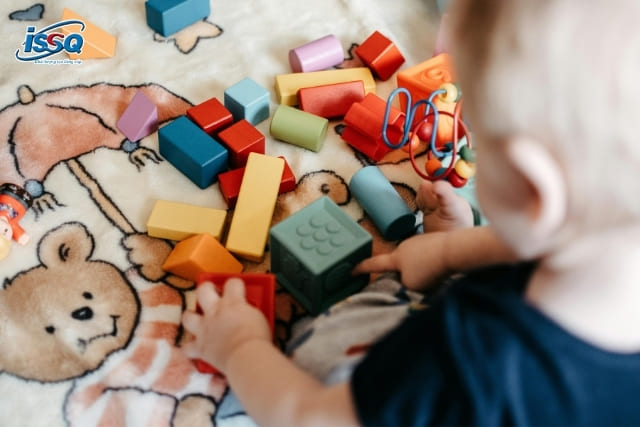
Việc nhận diện sớm đồ chơi kém chất lượng giúp bảo vệ trẻ khỏi kim loại nặng, hóa chất độc hại và nhiều rủi ro khác. Phụ huynh có thể dựa vào một số dấu hiệu phổ biến sau:
Nếu đồ chơi mới mở ra đã có mùi hắc, mùi sơn, mùi nhựa nồng hoặc khó chịu, rất có thể sản phẩm sử dụng vật liệu, sơn hoặc dung môi kém chất lượng. Trẻ hít lâu có thể bị chóng mặt, khó thở hoặc kích ứng đường hô hấp.
Đồ chơi có lớp sơn không đều, màu bị loang hoặc dễ tróc khi cào nhẹ là dấu hiệu cho thấy lớp phủ không đạt chuẩn. Khi trẻ cắn, ngậm hoặc chà sát, mảnh sơn có thể bong ra và đi vào cơ thể.
Một món đồ chơi an toàn thường có đầy đủ các thông tin sau:
Nếu thiếu những thông tin này, phụ huynh không thể biết sản phẩm dành cho độ tuổi nào, sử dụng vật liệu gì hoặc có lưu ý an toàn nào cần tuân thủ.
Đối với đồ chơi trẻ em, dấu CR là dấu hiệu quan trọng cho thấy sản phẩm đã được đánh giá hợp quy theo QCVN 3.
Nếu đồ chơi không có dấu CR, khả năng cao sản phẩm chưa được kiểm định, không đảm bảo an toàn và không đủ điều kiện lưu thông hợp pháp.
Đồ chơi có giá rẻ hơn nhiều so với thị trường thường đi kèm nguy cơ:
Phụ huynh nên cẩn trọng với các sản phẩm giá rẻ “bất thường”, đặc biệt khi bán tại vỉa hè, chợ tạm hoặc cửa hàng không uy tín.
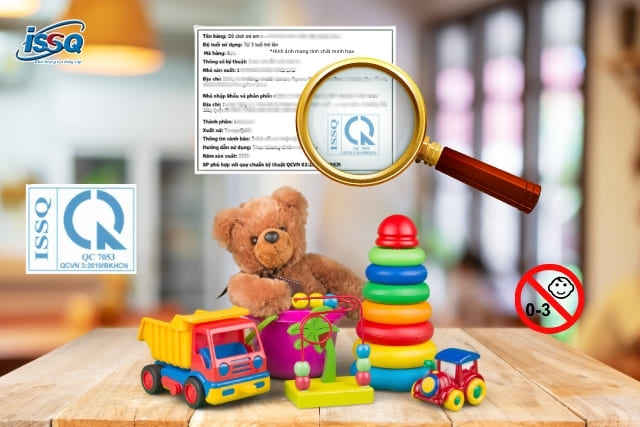
Đảm bảo đồ chơi an toàn không chỉ là trách nhiệm của cơ quan quản lý, mà còn là sự phối hợp giữa phụ huynh và doanh nghiệp. Mỗi bên đều giữ một vai trò quan trọng trong việc ngăn ngừa trẻ tiếp xúc với kim loại nặng và hóa chất độc hại từ đồ chơi kém chất lượng.
Phụ huynh là người trực tiếp lựa chọn và giám sát việc sử dụng đồ chơi của trẻ, vì vậy việc chủ động nhận biết và phòng tránh rủi ro là vô cùng quan trọng:
Khi phụ huynh thận trọng, nguy cơ trẻ tiếp xúc với kim loại nặng và hóa chất độc hại sẽ giảm đáng kể.
Doanh nghiệp sản xuất hoặc nhập khẩu đồ chơi là bên chịu trách nhiệm chính về an toàn của sản phẩm trước khi đưa ra thị trường. Việc tuân thủ chứng nhận đồ chơi trẻ em theo QCVN 3 không chỉ là yêu cầu bắt buộc mà còn là yếu tố thể hiện trách nhiệm của doanh nghiệp đối với xã hội:
Khi doanh nghiệp hành động có trách nhiệm, thị trường đồ chơi sẽ trở nên an toàn, lành mạnh và mang tính bền vững hơn.
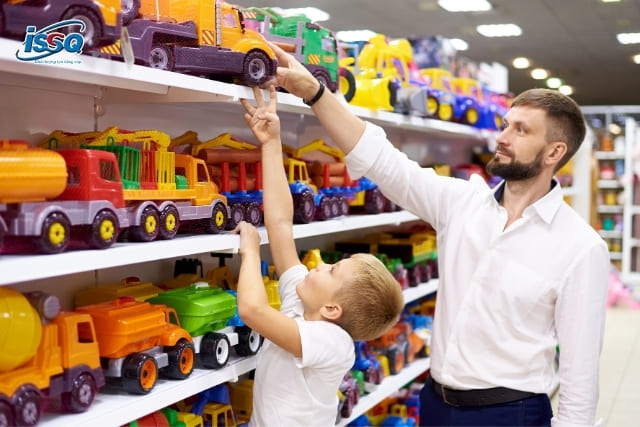
Đồ chơi trẻ em tưởng chừng vô hại nhưng có thể tiềm ẩn nhiều rủi ro nếu chứa kim loại nặng hoặc hóa chất độc hại. Những chất này không chỉ gây ảnh hưởng ngay lập tức mà còn có thể để lại hậu quả lâu dài đối với sức khỏe và sự phát triển của trẻ. Vì vậy, việc lựa chọn đồ chơi an toàn, có chứng nhận hợp quy theo quy chuẩn QCVN 3, là bước quan trọng để bảo vệ trẻ khỏi các nguy cơ tiềm ẩn.
Phụ huynh cần tỉnh táo khi mua đồ chơi, còn doanh nghiệp phải tuân thủ đầy đủ các yêu cầu an toàn để mang đến sản phẩm chất lượng, góp phần xây dựng môi trường vui chơi lành mạnh cho trẻ. Khi cả hai phía đều hành động có trách nhiệm, trẻ em sẽ được vui chơi và phát triển trong điều kiện an toàn hơn.
Quý công ty có nhu cầu đánh giá chứng nhận quy chuẩn QCVN 3 Quy chuẩn kỹ thuật quốc gia về an toàn đồ chơi trẻ em hãy liên hệ với Viện Chất lượng ISSQ theo hotline: 0981851111 hoặc vienchatluong@issq.org.vn | tcvn@issq.org.vn để được hỗ trợ thủ tục.
Ngày đăng: 25/11/2025


