Viện nghiên cứu phát triển tiêu chuẩn chất lượng
INSTITUTE FOR STANDARD AND QUALITY DEVELOPMENT STUDIES


INSTITUTE FOR STANDARD AND QUALITY DEVELOPMENT STUDIES
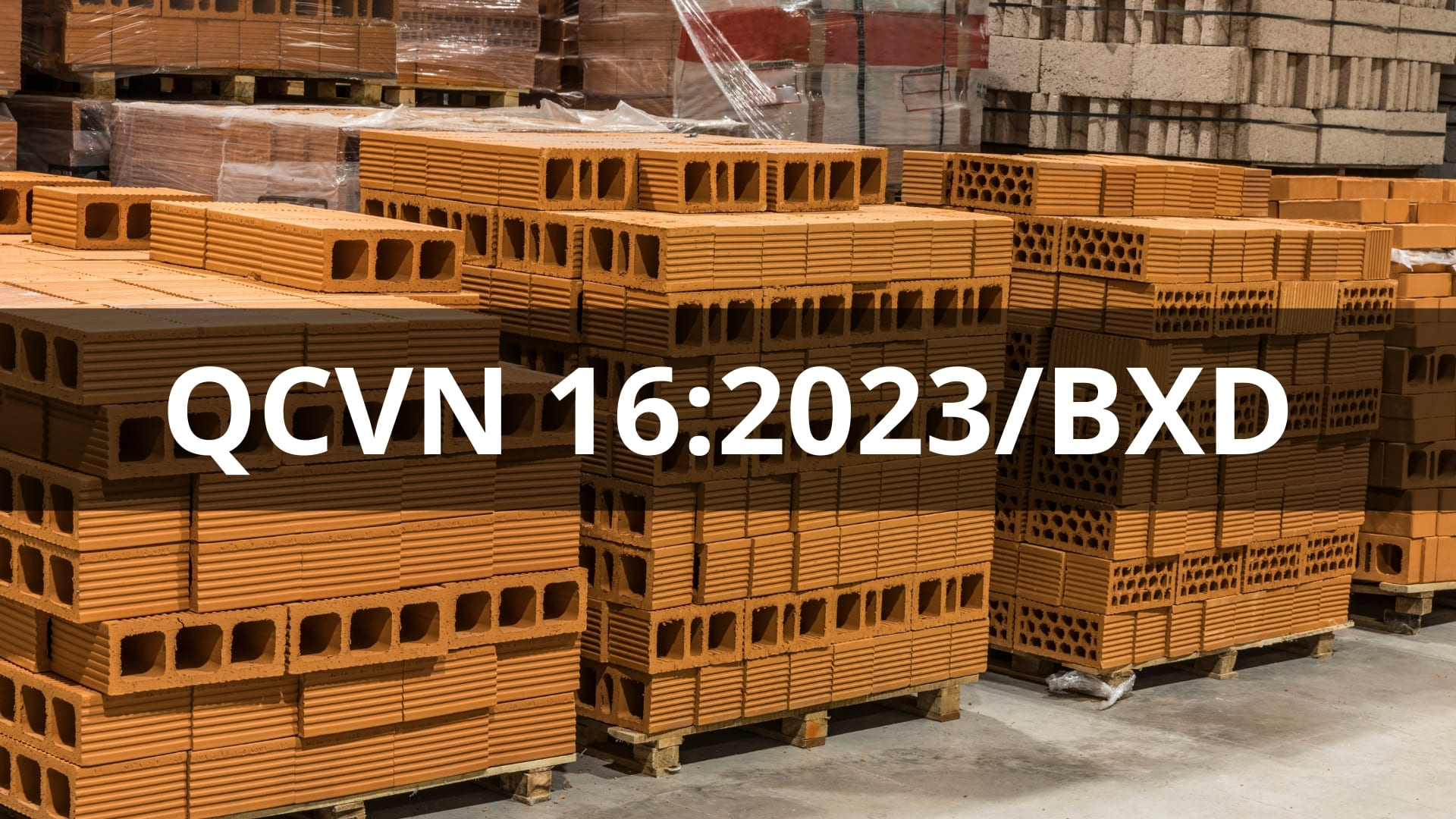
Quy chuẩn QCVN 16:2023/BXD quy định về mức giới hạn của đặc tính kỹ thuật và yêu cầu quản lý các sản phẩm, hàng hóa vật liệu xây dựng thuộc nhóm 2 theo quy định tại Luật Chất lượng sản phẩm, hàng hóa được sản xuất trong nước, nhập khẩu, kinh doanh, lưu thông trên thị trường và sử dụng vào các công trình xây dựng trên lãnh thổ Việt Nam.
Quy chuẩn này không áp dụng cho sản phẩm, hàng hóa vật liệu xây dựng nhập khẩu dưới dạng mẫu hàng để quảng cáo không có giá trị sử dụng; hàng mẫu để nghiên cứu; mẫu hàng để thử nghiệm; hàng hóa tạm nhập khẩu để trưng bày, giới thiệu tại hội chợ triển lãm.
Trong lĩnh vực xây dựng, gạch bê tông là vật liệu phổ biến được sử dụng rộng rãi nhờ độ bền cao, khả năng chịu lực tốt và chi phí hợp lý. Tuy nhiên, để đảm bảo chất lượng công trình và an toàn cho người sử dụng, các sản phẩm gạch bê tông lưu thông trên thị trường cần phải được kiểm soát nghiêm ngặt về chất lượng.
Nhằm đáp ứng yêu cầu đó, Bộ Xây dựng đã ban hành QCVN 16:2023/BXD – Quy chuẩn kỹ thuật quốc gia về sản phẩm, hàng hóa vật liệu xây dựng, trong đó gạch bê tông thuộc nhóm sản phẩm bắt buộc phải chứng nhận hợp quy trước khi đưa ra thị trường. Việc chứng nhận không chỉ là yêu cầu pháp lý mà còn giúp doanh nghiệp khẳng định uy tín và tạo niềm tin với khách hàng.
Vậy quy trình chứng nhận gạch bê tông theo QCVN 16 được thực hiện như thế nào? Hãy cùng Viện Chất lượng ISSQ tìm hiểu chi tiết trong bài viết dưới đây.
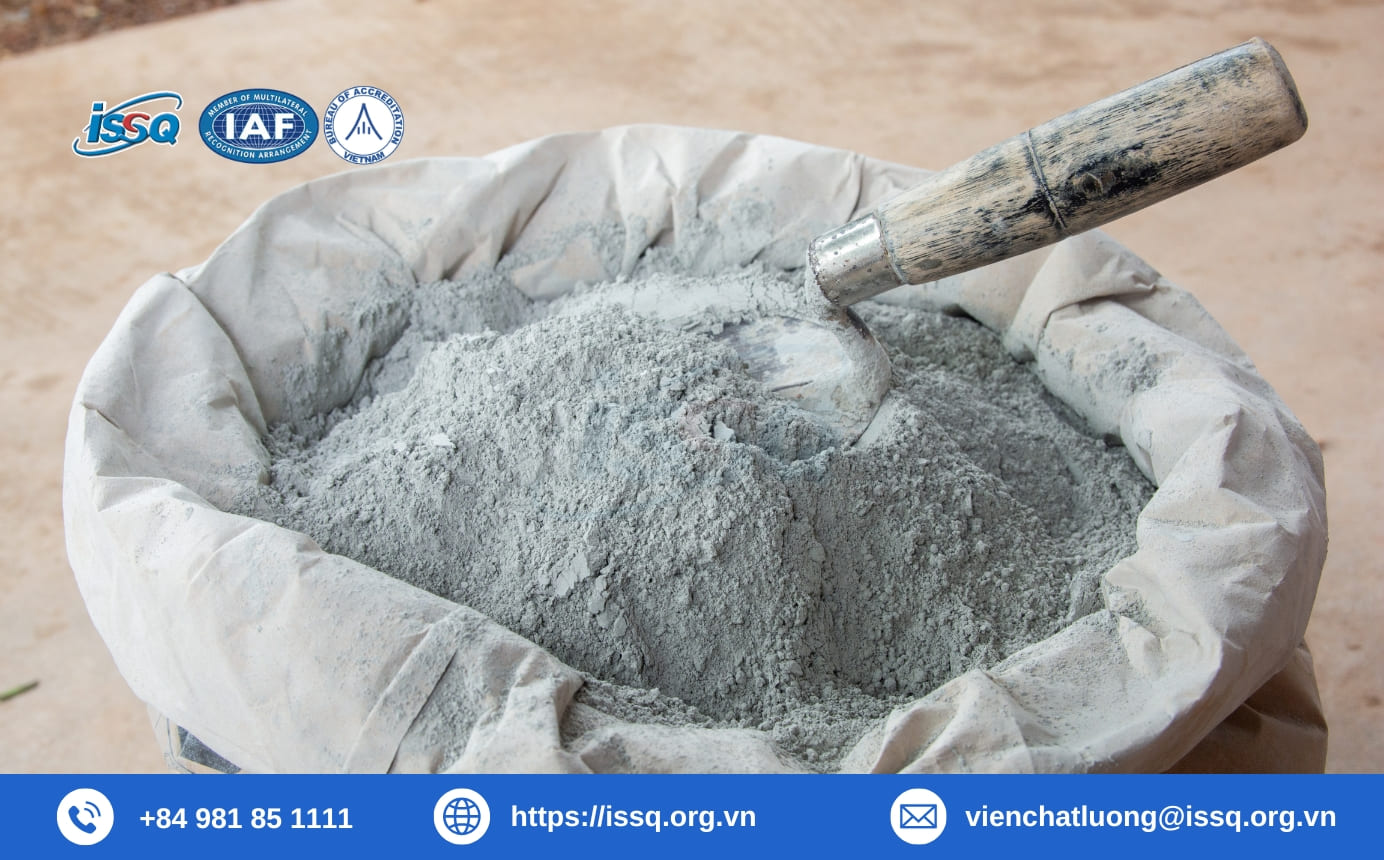
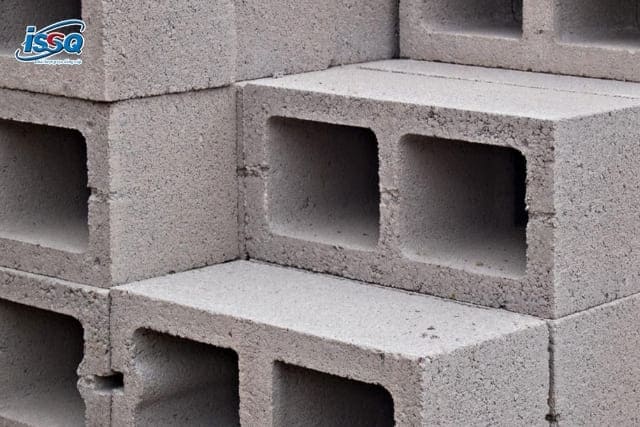
Gạch bê tông (Concrete Block) là loại vật liệu xây thường được sản xuất từ hỗn hợp xi măng, cát, đá mạt và nước, được tạo hình bằng khuôn và liên kết bằng cách nén chặt hoặc ép thủy lực, thay vì nung như gạch truyền thống. Nhờ đặc tính chắc chắn, bền bỉ và khả năng chịu lực tốt, gạch bê tông ngày càng được ứng dụng rộng rãi trong nhiều hạng mục xây dựng.
Gạch bê tông xuất hiện trong hầu hết các công trình dân dụng và công nghiệp phổ biến như: xây tường bao, tường ngăn, tường chịu lực, thi công nhà ở, nhà xưởng, kho bãi, làm tường rào, tường chắn,...
Tùy thuộc vào yêu cầu thiết kế, gạch bê tông có thể được sản xuất dưới dạng gạch đặc hoặc gạch rỗng nhằm tối ưu trọng lượng và khả năng cách âm, cách nhiệt.
Là vật liệu trực tiếp quyết định độ bền, an toàn và tuổi thọ công trình, gạch bê tông nếu không đạt chuẩn có thể gây ra nhiều rủi ro như:
Chính vì vậy, QCVN 16:2023/BXD quy định gạch bê tông thuộc danh mục sản phẩm bắt buộc phải chứng nhận hợp quy trước khi đưa ra thị trường.
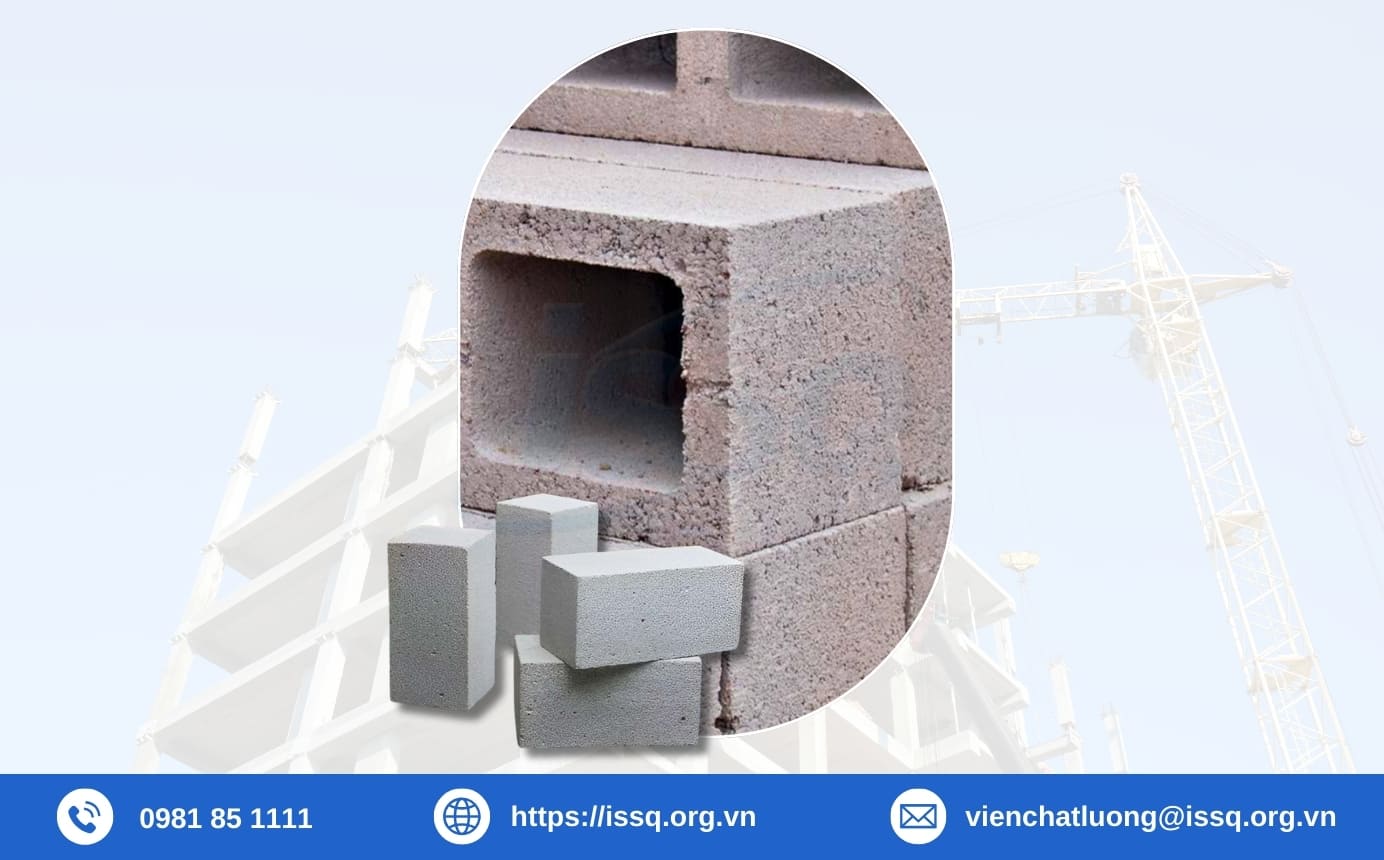
QCVN 16 là Quy chuẩn kỹ thuật quốc gia về sản phẩm, hàng hóa vật liệu xây dựng do Bộ Xây dựng ban hành. Quy chuẩn này quy định về mức giới hạn của đặc tính kỹ thuật và yêu cầu quản lý các sản phẩm, hàng hóa vật liệu xây dựng thuộc nhóm 2 theo quy định tại Luật Chất lượng sản phẩm, hàng hóa được sản xuất trong nước, nhập khẩu, kinh doanh, lưu thông trên thị trường và sử dụng vào các công trình xây dựng trên lãnh thổ Việt Nam.
Quy chuẩn này không áp dụng cho sản phẩm, hàng hóa vật liệu xây dựng nhập khẩu dưới dạng mẫu hàng để quảng cáo không có giá trị sử dụng; hàng mẫu để nghiên cứu; mẫu hàng để thử nghiệm; hàng hóa tạm nhập khẩu để trưng bày, giới thiệu tại hội chợ triển lãm.
Trong đó, sản phẩm, hàng hóa vật liệu xây dựng nhóm 2 là sản phẩm, hàng hóa trong điều kiện vận chuyển, lưu giữ, bảo quản, sử dụng hợp lý và đúng mục đích vẫn tiềm ẩn khả năng gây hại cho người, động vật, thực vật, tài sản, môi trường.
Quy định về chứng nhận hợp quy gạch bê tông theo QCVN 16 được áp dụng cho nhiều tổ chức, cá nhân tham gia vào quá trình sản xuất, quản lý và lưu thông vật liệu xây dựng. Cụ thể gồm:
Việc chứng nhận hợp quy gạch bê tông theo QCVN 16:2023/BXD được thực hiện thông qua ba phương thức đánh giá sự phù hợp. Mỗi phương thức áp dụng cho từng trường hợp cụ thể và có thời hạn hiệu lực khác nhau. Cụ thể gồm:
Phương thức 1: Thử nghiệm mẫu điển hình.
Hiệu lực của Giấy chứng nhận hợp quy không quá 01 năm. Giấy chứng nhận hợp quy chỉ có giá trị đối với kiểu, loại sản phẩm, hàng hóa được lấy mẫu thử nghiệm.
Hàng hóa vật liệu xây dựng nhập khẩu áp dụng phương thức này khi:
Phương thức 5: Thử nghiệm mẫu điển hình và đánh giá quá trình sản xuất; giám sát thông qua thử nghiệm mẫu lấy tại nơi sản xuất hoặc trên thị trường kết hợp với đánh giá quá trình sản xuất.
Phương thức 7: Thử nghiệm, đánh giá lô sản phẩm, hàng hóa.
Để gạch bê tông được lưu thông hợp pháp trên thị trường và đáp ứng đầy đủ yêu cầu kỹ thuật theo QCVN 16:2023/BXD, doanh nghiệp cần thực hiện quy trình chứng nhận hợp quy theo một trình tự rõ ràng và thống nhất.
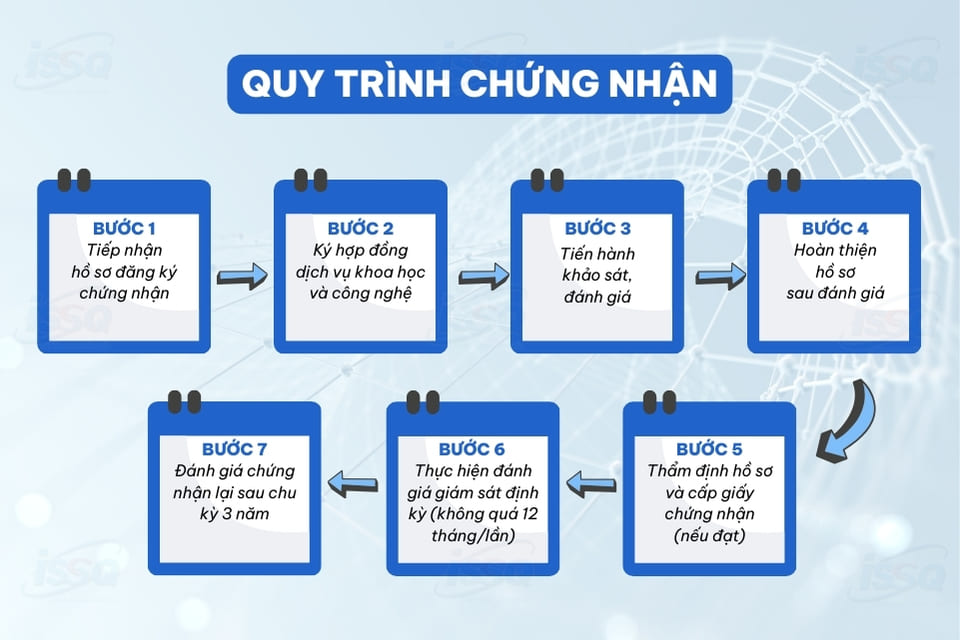
Dưới đây là các bước cơ bản trong quá trình đánh giá và cấp giấy chứng nhận hợp quy gạch bê tông, được Viện Chất lượng ISSQ triển khai theo phương thức khoa học, minh bạch và phù hợp với quy chuẩn hiện hành:
Bước 1: Tiếp nhận hồ sơ đăng ký chứng nhận
Bước 2: Ký hợp đồng dịch vụ khoa học và công nghệ
Bước 3: Tiến hành khảo sát, đánh giá
Bước 4: Hoàn thiện hồ sơ sau đánh giá
Bước 5: Thẩm định hồ sơ và cấp giấy chứng nhận (nếu đạt)
Bước 6: Thực hiện đánh giá giám sát định kỳ (không quá 12 tháng/lần)
Bước 7: Đánh giá chứng nhận lại sau chu kỳ 3 năm
Việc chứng nhận hợp quy không chỉ là yêu cầu bắt buộc của pháp luật mà còn mang lại nhiều giá trị thiết thực cho doanh nghiệp sản xuất và kinh doanh gạch bê tông. Khi sản phẩm đáp ứng đầy đủ các yêu cầu kỹ thuật theo QCVN 16, doanh nghiệp sẽ nhận được những lợi ích quan trọng sau:
Chứng nhận hợp quy gạch bê tông theo QCVN 16 là bước quan trọng nhằm bảo đảm chất lượng và an toàn cho các công trình xây dựng. Từ việc hiểu rõ khái niệm gạch bê tông, các yêu cầu kỹ thuật, đối tượng áp dụng đến những phương thức đánh giá và quy trình chứng nhận, doanh nghiệp có thể chủ động triển khai đúng quy định và nâng cao chất lượng sản phẩm của mình.
Việc tuân thủ QCVN 16 không chỉ giúp doanh nghiệp đáp ứng yêu cầu pháp lý, mà còn mang lại nhiều lợi ích thiết thực như tăng uy tín, gia tăng khả năng cạnh tranh và mở rộng thị trường. Khi sản phẩm đạt chứng nhận hợp quy, doanh nghiệp khẳng định được năng lực sản xuất ổn định, chất lượng đáng tin cậy và trách nhiệm đối với cộng đồng.
Quý công ty có nhu cầu đánh giá chứng nhận gạch bê tông theo QCVN 16 hãy liên hệ với Viện Chất lượng ISSQ theo hotline: 0981851111 hoặc vienchatluong@issq.org.vn | tcvn@issq.org.vn để được hỗ trợ thủ tục.
Ngày đăng: 12/12/2025