
INSTITUTE FOR STANDARD AND QUALITY DEVELOPMENT STUDIES


16/10/2025
The completion and announcement of 15 Vietnamese national standards on battery energy storage systems (BESS) not only help establish a legal–technical framework for this relatively new sector but also promote innovation initiatives, strengthen domestic supply chains, and expand the energy storage market in Vietnam.
The conference was organized by the Vietnam Standards and Quality Institute (VSQI) under the National Commission for Standards, Metrology and Quality, in collaboration with the United Nations Office for Project Services (UNOPS), the Southeast Asia Energy Transition Partnership (ETP), and a consulting consortium consisting of the Institute for Standards and Quality Development Studies (ISSQ), Pondera Vietnam Co., Ltd. (part of the Royal HaskoningDHV Group), experts from Phenikaa University, and experts from TÜV NORD Vietnam Co., Ltd.
The conference presented the results of the project implementation and officially announced 15 Vietnamese National Standards (TCVN) on Battery Energy Storage Systems in Vietnam.
Attendees included Mr. Nguyen Van Khoi – Head of the Standards Department, National Commission for Standards, Metrology and Quality; Mr. Trieu Viet Phuong – Director of VSQI; Ms. Nguyen Ngoc Thuy – BESS Project Coordination and Management Officer, representing ETP–UNOPS; Mr. Vu Van Dien – Vice President of the Vietnam Association for Standards and Quality; Mr. Nguyen Minh Ngoc – Director of the Institute for Standards and Quality Development Studies (ISSQ), along with representatives from ministries, agencies, enterprises, research institutes, organizations, and experts in the renewable energy sector. More than 100 delegates also joined the conference online.
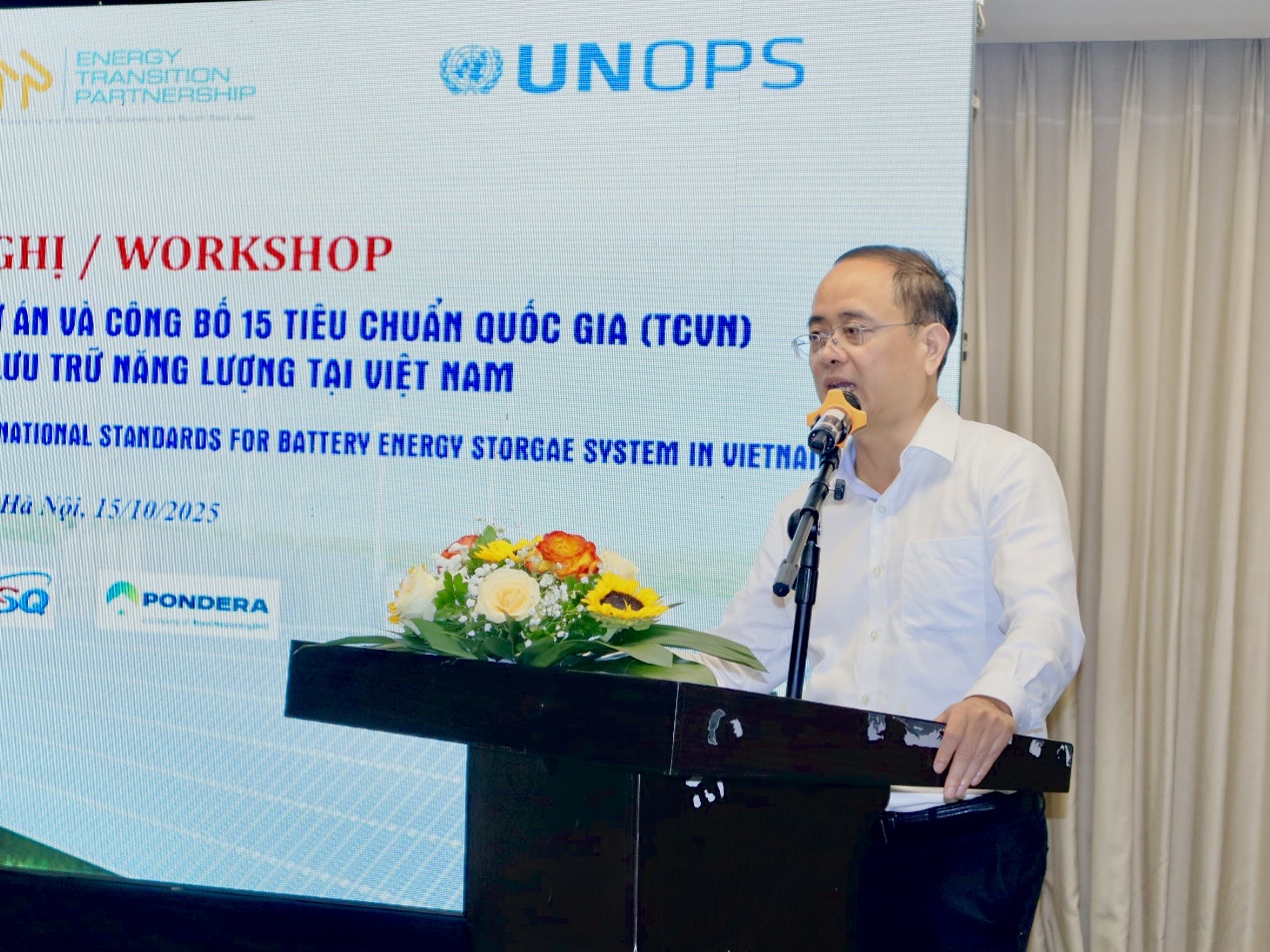
Mr. Nguyen Van Khoi – Head of the Standards Department, National Commission for Standards, Metrology and Quality.
The event marked the completion of the technical assistance package and the official publication of a set of 15 standards developed based on international references, public consultations, appraisal, and approval in accordance with the Law on Standards and Technical Regulations and Circular No. 11/2021/TT-BKHCN issued by the Ministry of Science and Technology.
Developing this technical standard system required sustained collaboration among multiple stakeholders, from policymakers to the business community and technical experts. The standards announced today demonstrate effective, in-depth, and sustainable cooperation among the involved parties.
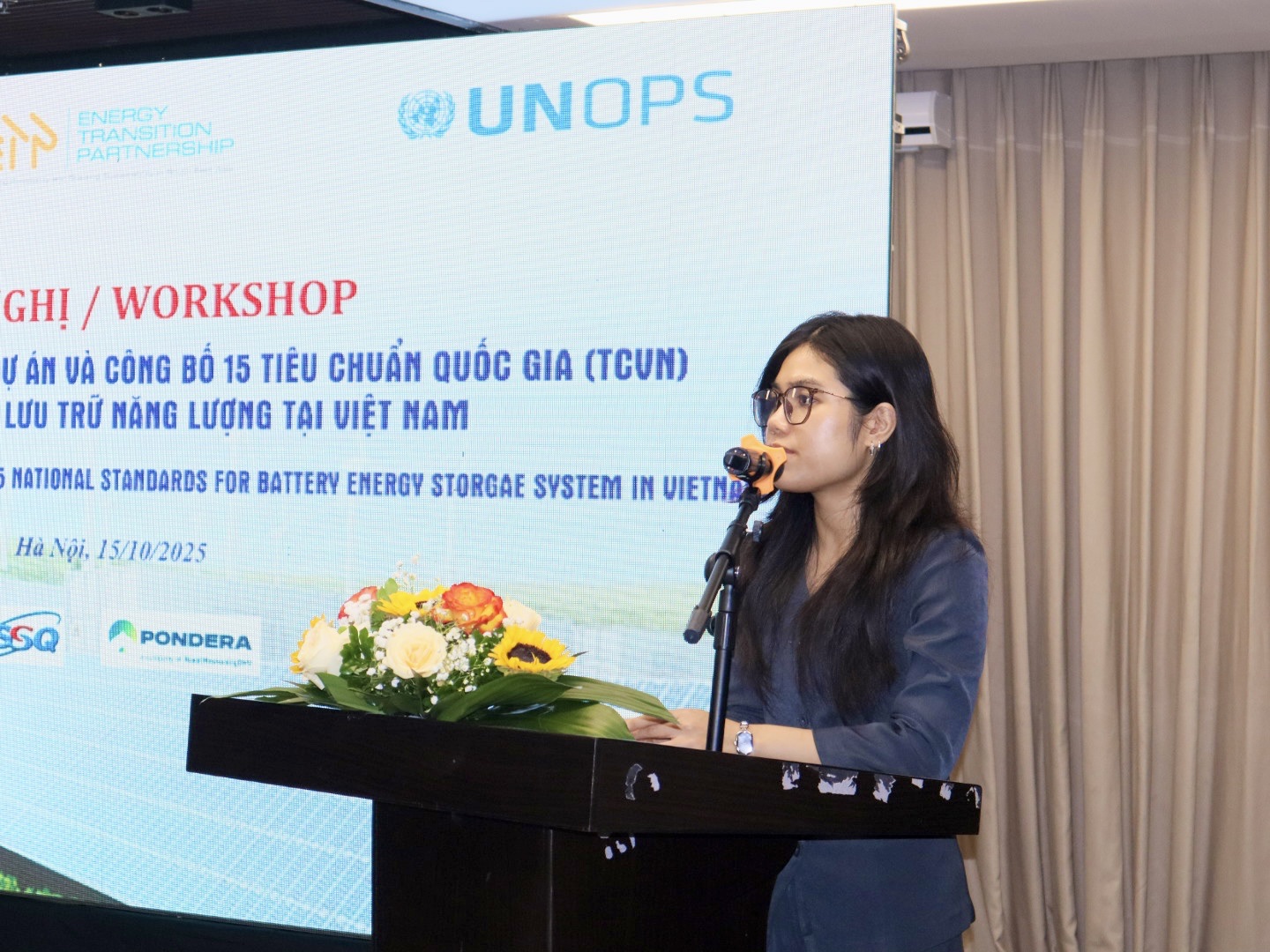
Ms. Nguyen Ngoc Thuy – BESS Project Coordination and Management Officer, representing ETP–UNOPS
Speaking at the conference, Ms. Nguyen Ngoc Thuy stated that Vietnam has committed to achieving net-zero emissions by 2050. Notably, on August 20, 2025, General Secretary To Lam signed Resolution No. 70-NQ/TW, which sets a major target of increasing the share of renewable energy in the total primary energy supply to approximately 25–30% by 2030.
Experts note that when the share of renewable energy exceeds 15%, challenges related to supply–demand balance arise, making battery energy storage systems essential. These systems serve as a foundational solution to address the intermittency of renewable energy sources, enhance system flexibility, and improve grid reliability and resilience, thereby contributing to the development of smart power transmission systems and ensuring national energy security.
Accordingly, establishing national standards and technical regulations for BESS is crucial for reducing technical and financial risks and creating a transparent legal framework to attract both domestic and international investment in energy transition projects in Vietnam.
After nearly two years of implementation, the project successfully developed 15 national standards under a consortium led by ISSQ, with participation from Pondera Vietnam and experienced experts from Phenikaa University.
Project Manager Ms. Phung Thi Thu Hang highlighted that Vietnam currently lacks sufficient national standards suitable for battery energy storage systems, particularly in renewable energy applications. The project aligns with Power Development Plan VIII (PDP VIII) and contributes to fulfilling Vietnam’s net-zero commitment.
The standards are divided into four main groups:
Vocabulary, technical parameters, and testing methods
System planning and performance evaluation
Environmental considerations
Safety requirements for grid-integrated energy storage systems
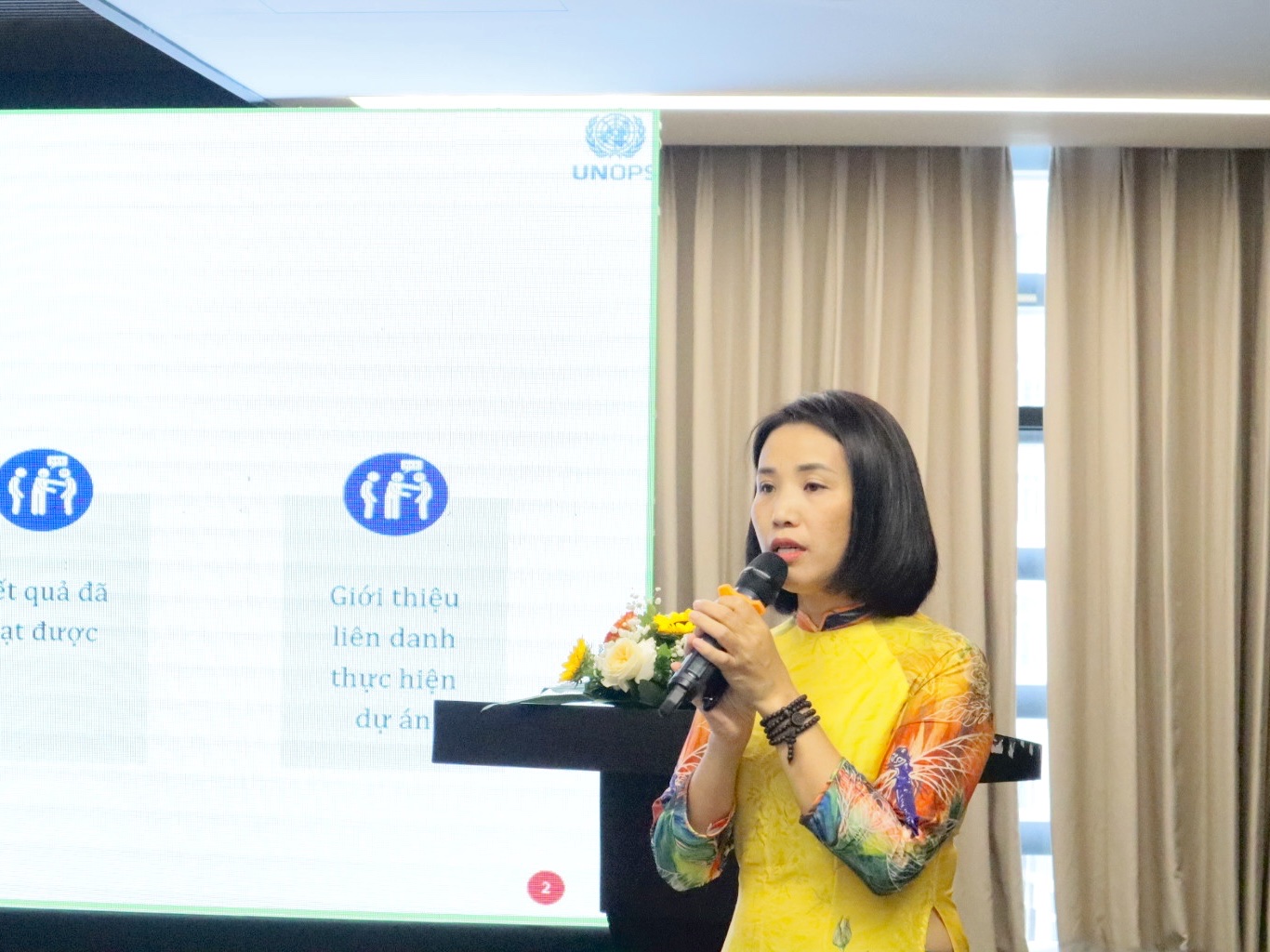
Ms. Phung Thi Thu Hang – BESS Project Manager and Coordinator
These standards help harmonize terminology and testing procedures for various energy storage technologies, including mechanical, electrochemical, electrical, chemical, and thermal systems. They also provide detailed guidance on system design, testing, operation, and lifecycle safety.
Environmental standards address the two-way impacts between systems and the environment, including battery disposal, reuse, and health risks. Safety standards specify risk assessment procedures, preventive measures, and safety testing requirements, especially for lithium-ion battery systems.
At the conference, Mr. Nguyen Minh Ngoc emphasized that developing BESS standards represents a collective journey of knowledge sharing and dedication among domestic and international organizations and experts.
He added that the standards will continue to be disseminated, implemented, and periodically updated to keep pace with technological advancements and practical energy transition needs. This is a critical foundation for Vietnam to move closer to its goals of energy security, sustainable development, and net-zero emissions by 2050.
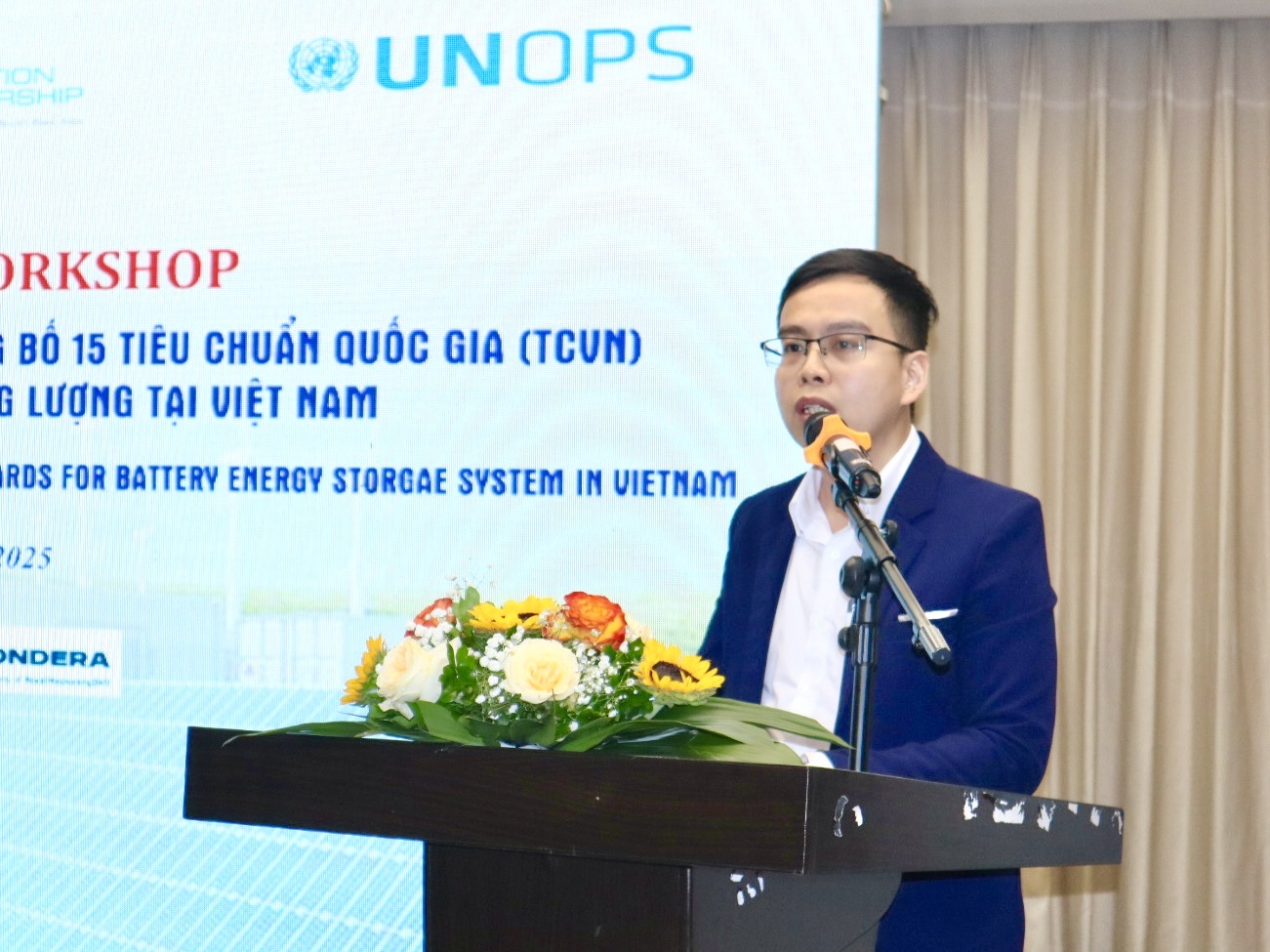
Mr. Nguyen Minh Ngoc – Director of the Institute for Standards and Quality Development Studies (ISSQ)
In closing remarks, Mr. Nguyen Van Khoi affirmed that the completion and publication of the 15 standards not only mark an important technical milestone but also reinforce the role of standards in promoting the energy storage market — a key component of Vietnam’s renewable energy ecosystem in the coming decade.
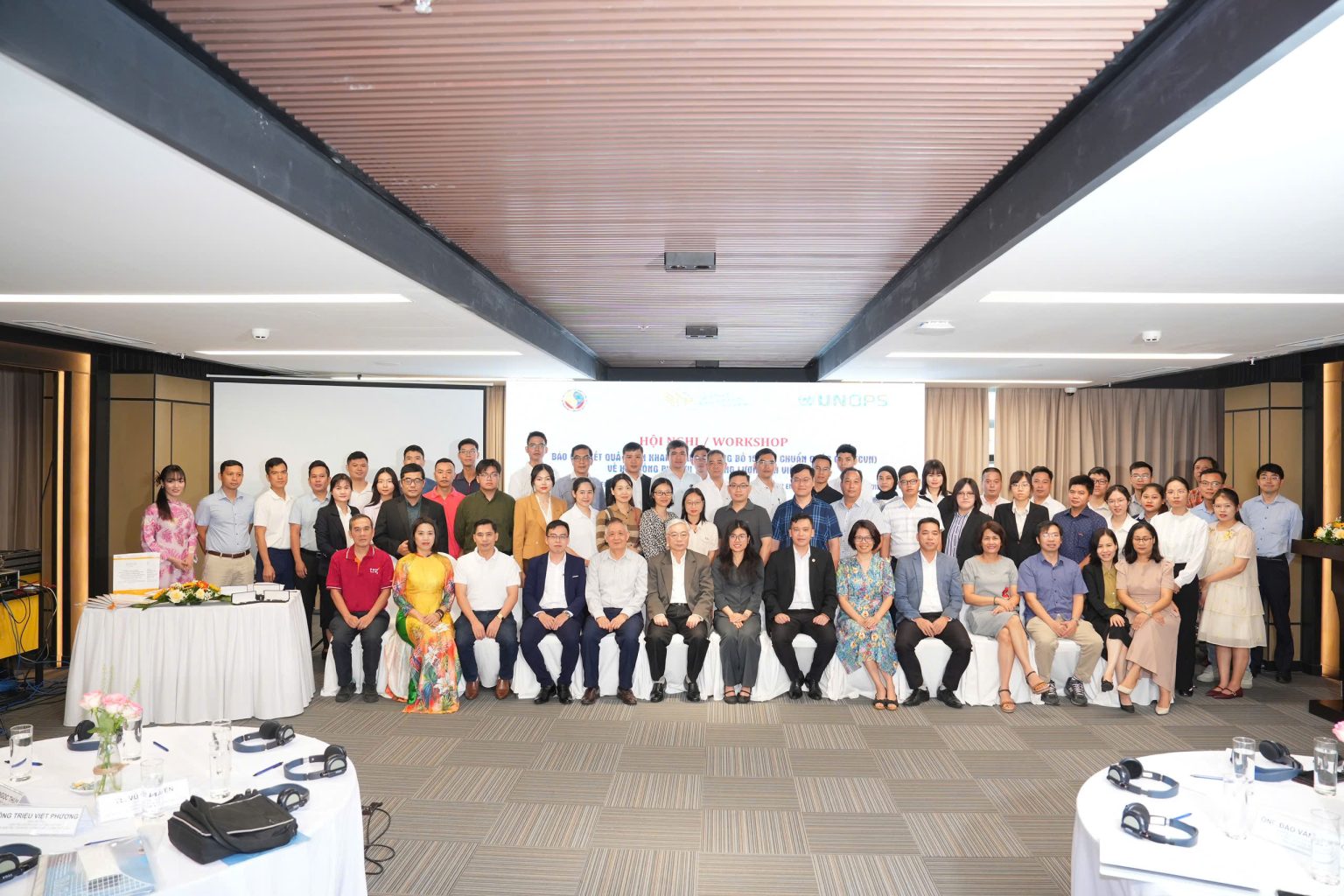
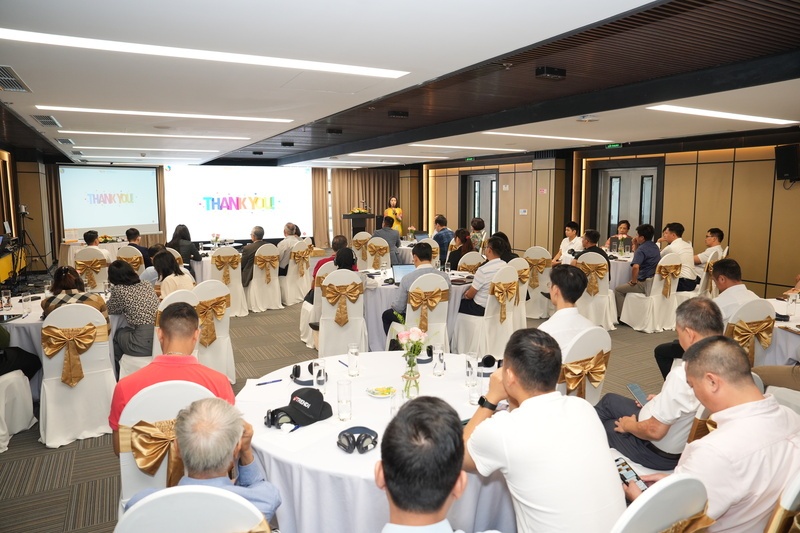
Overview of the conference


