
INSTITUTE FOR STANDARD AND QUALITY DEVELOPMENT STUDIES


QCVN 9 specifies technical and management requirements regarding limits of electromagnetic emissions generated by household electrical and electronic equipment and similar devices.
This technical regulation does not specify immunity requirements for electrical and electronic equipment.
QCVN 9 applies to organizations and individuals engaged in manufacturing, importing, distributing and retailing electrical and electronic equipment, as well as to state management agencies and other related entities.
In modern life, electrical and electronic appliances such as washing machines, refrigerators, freezers, lamps with built-in ballasts, air conditioners, vacuum cleaners and many others have become indispensable in every household. These devices help people save time and improve quality of life.
However, to ensure stable and safe operation, such familiar equipment must meet an important technical requirement known as electromagnetic compatibility (EMC). If EMC requirements are not met, devices may interfere with television signals, Wi-Fi networks, electrical systems, or even affect human health.
Therefore, the Ministry of Science and Technology issued QCVN 9:2012/BKHCN – National technical regulation on electromagnetic compatibility for household electrical and electronic equipment and similar purposes.
According to this regulation, electrical and electronic equipment listed in its annex must meet EMC requirements, obtain conformity certification, and bear the CR mark before being circulated on the Vietnamese market.
This is not only a legal requirement but also a commitment to safety, quality and corporate credibility in the electronics manufacturing and trading sector.
Electromagnetic compatibility (EMC) refers to the ability of equipment or systems to function satisfactorily in an electromagnetic environment without generating excessive electromagnetic disturbances that could affect the proper operation of other equipment.
In other words, EMC ensures that when multiple electrical and electronic devices operate simultaneously, they function normally without interfering with each other or creating electromagnetic safety risks.
If a device fails to meet EMC requirements, potential consequences include:
Interference with radio waves, Wi-Fi signals, television or telephone systems, leading to signal disruption or abnormal operation of other equipment.
Reduced component lifespan, system malfunctions, short circuits or even fire hazards due to electrical disturbances.
Negative impacts on electrical systems and the surrounding environment, especially in enclosed spaces or densely populated residential areas with high concentrations of electronic devices.
Therefore, EMC acts as an “invisible shield” protecting both equipment and users, ensuring a stable, safe and sustainable electromagnetic environment in daily life.
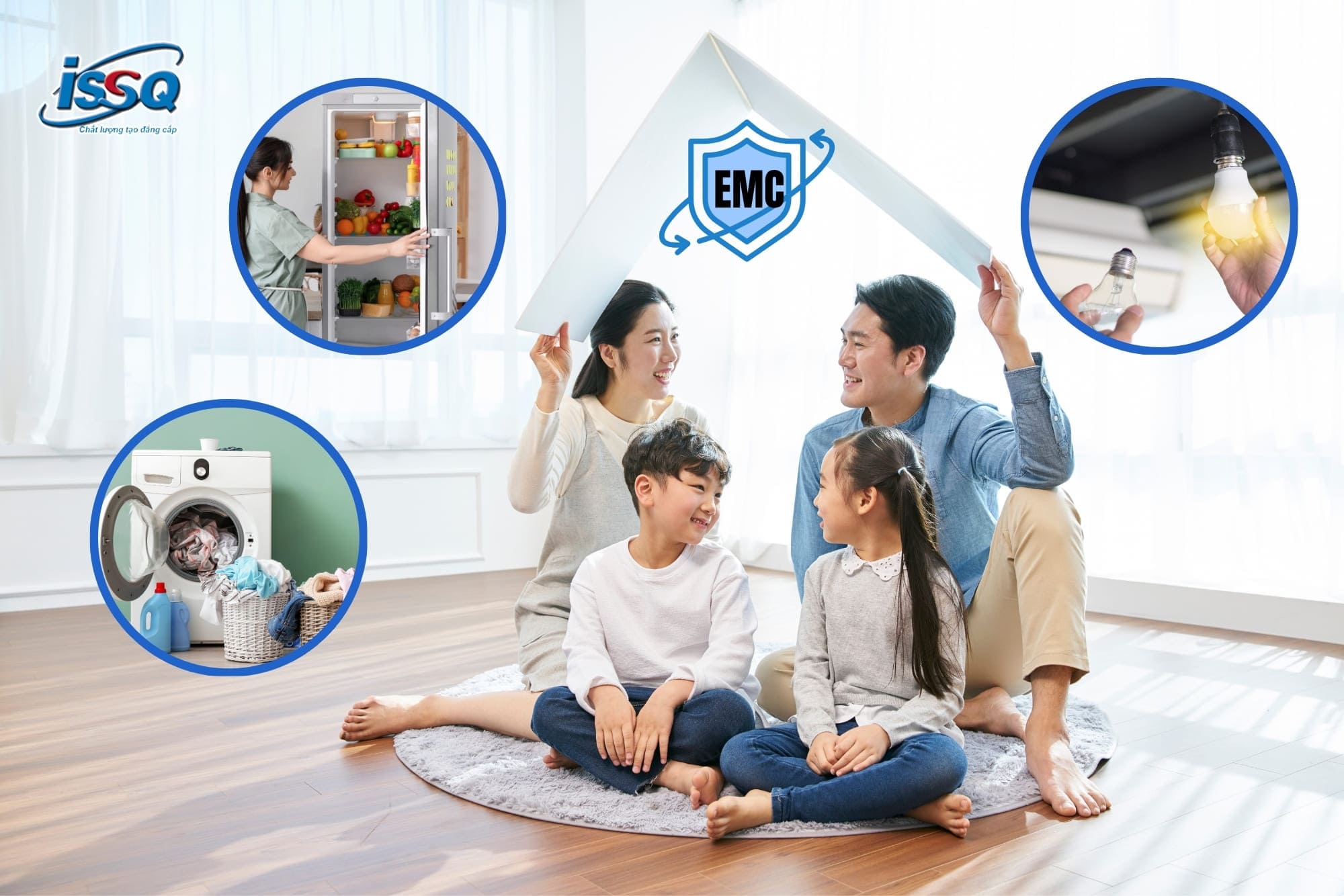
According to QCVN 9:2012/BKHCN, household electrical and electronic equipment must ensure that electromagnetic emission levels remain within permissible limits to avoid affecting other devices in the operating environment.
Equipment specified in the Annex must ensure that electromagnetic disturbances they generate do not exceed limits defined in relevant national standards, such as:
Vacuum cleaners, washing machines, refrigerators, freezers, household air conditioners, motor-operated hand tools and instantaneous water heaters in accordance with TCVN 7492-1 (CISPR 14-1) – EMC requirements for household appliances, electric tools and similar apparatus – Part 1: Emission.
Lamps with built-in ballasts in accordance with TCVN 7186 (CISPR 15) – Limits and methods of measurement of radio disturbance characteristics of electrical lighting and similar equipment.
Testing methods used to determine electromagnetic disturbance limits must comply with procedures specified in the corresponding national standards.
Electrical and electronic equipment manufactured domestically, imported or traded must obtain conformity certification under QCVN 9 according to Method 1 (type testing) specified in Appendix II of the Regulation on certification of conformity to standards and technical regulations and declaration of conformity issued together with Decision No. 24/2007/QĐ-BKHCN dated September 28, 2007.
Testing must be conducted by designated or recognized third-party laboratories.
Validity of the conformity certificate: 03 years.
Compliance with these requirements ensures safety, protects consumers and is a mandatory condition for legal circulation of equipment in Vietnam.
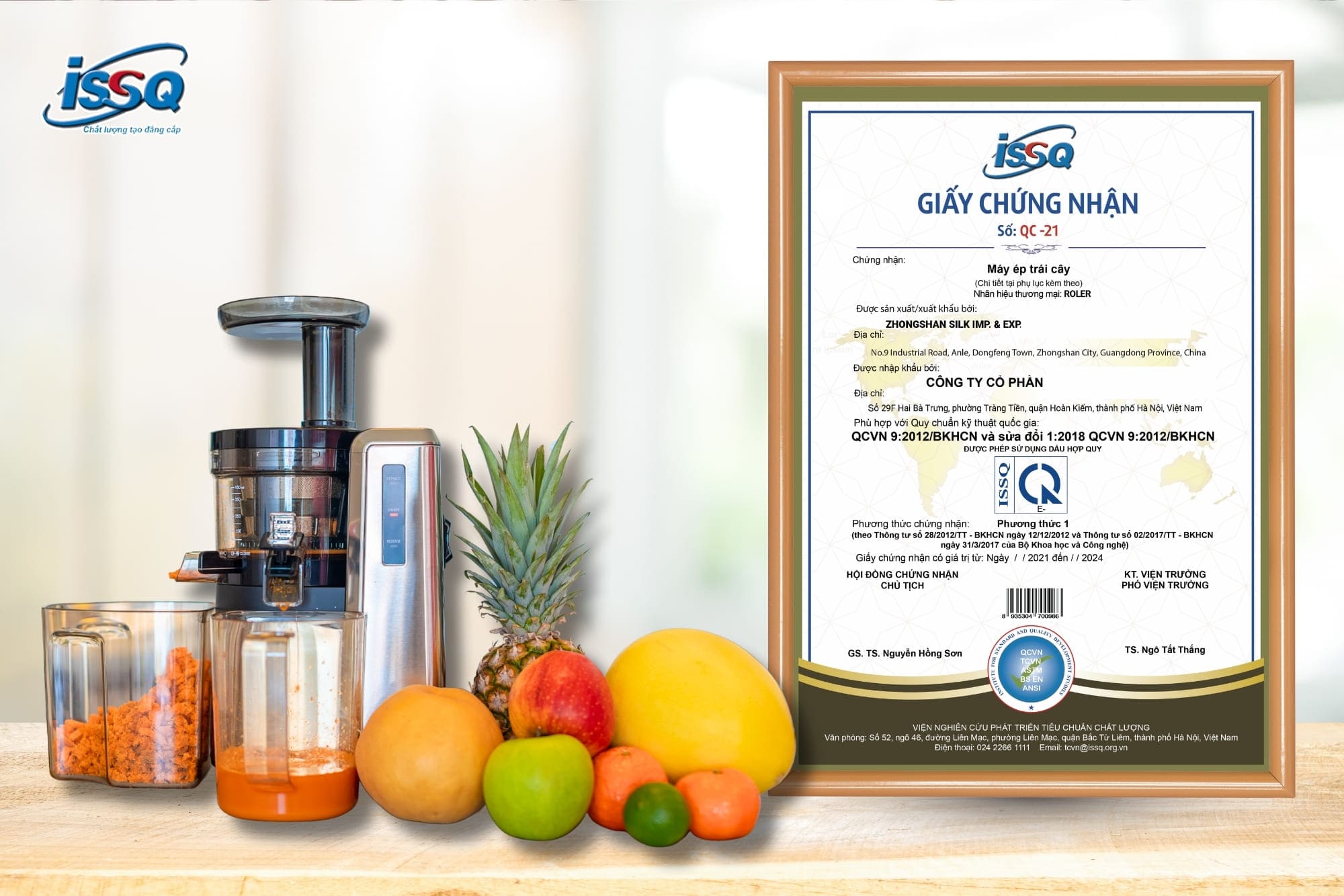
Compliance with legal requirements and obtaining EMC conformity certification under QCVN 9 brings practical benefits for both businesses and consumers.
Legally allowed to circulate products in the Vietnamese market in compliance with regulatory requirements.
Demonstrates production capability and credibility, strengthening trust among consumers and partners.
Minimizes risks of administrative penalties, product recalls or re-inspection due to non-compliance.
Enhances competitiveness and facilitates participation in supply chains and technical projects.
Safer use of electrical appliances, reducing risks related to electromagnetic interference or technical faults.
Minimization of radio, Wi-Fi and TV signal interference, ensuring stable operation of electronic devices.
Protection of health and living environment by limiting negative effects of electromagnetic radiation.

Thus, EMC conformity certification not only ensures legal compliance for businesses but also contributes to building a safe, civilized and sustainable electrical environment for society.
In the context of rapid technological development, controlling electromagnetic compatibility has become an essential requirement to ensure safety and quality of electrical and electronic equipment. QCVN 9:2012/BKHCN serves not only as a state technical regulation but also as a measure of corporate responsibility toward consumers and the community.
Each product certified under QCVN 9 represents an important step toward a transparent market, safe equipment and sustainable living.
Companies requiring conformity assessment and certification under QCVN 9 – National technical regulation on electromagnetic compatibility for household electrical and electronic equipment and similar purposes may contact ISSQ Institute for Quality via hotline: (+84) 981851111 or email: vienchatluong@issq.org.vn | tcvn@issq.org.vn
Published date: October 30, 2025


