
INSTITUTE FOR STANDARD AND QUALITY DEVELOPMENT STUDIES


Rice cookers are common household appliances but may pose electrical safety risks if they do not meet technical requirements. The article below provides information on the benefits and certification process for rice cookers under QCVN 4, helping businesses ensure product quality and achieve sustainable development.
Rice cookers are widely used household electrical appliances with high frequency in daily life. However, they are also among the product groups that may pose electrical safety risks if they do not meet technical requirements. Therefore, before being placed on the market, these products should be evaluated and certified for conformity with QCVN 4.
Let’s join the ISSQ Quality Institute in exploring the requirements, benefits, and certification process for rice cookers in the article below.
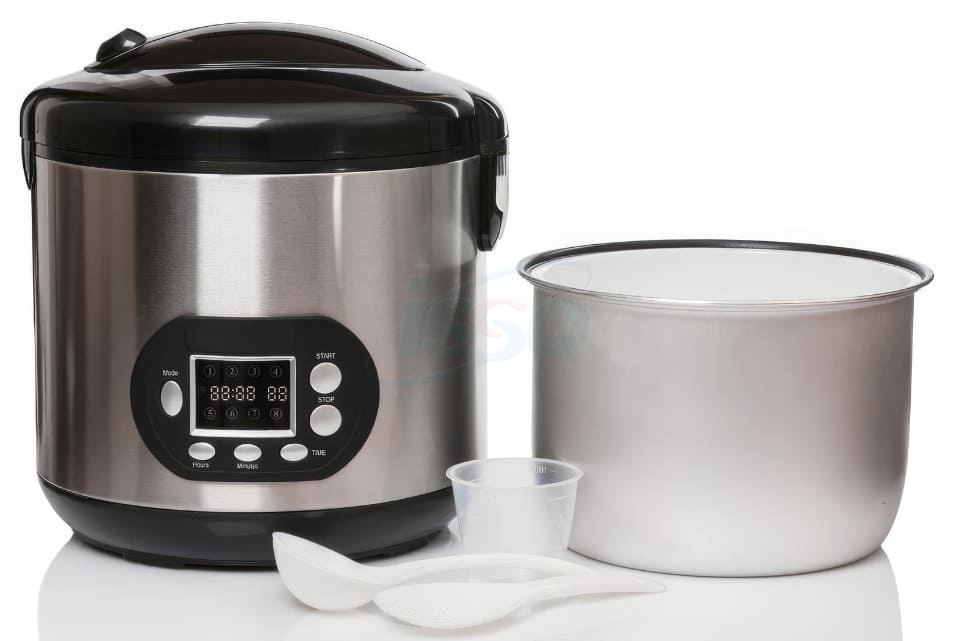
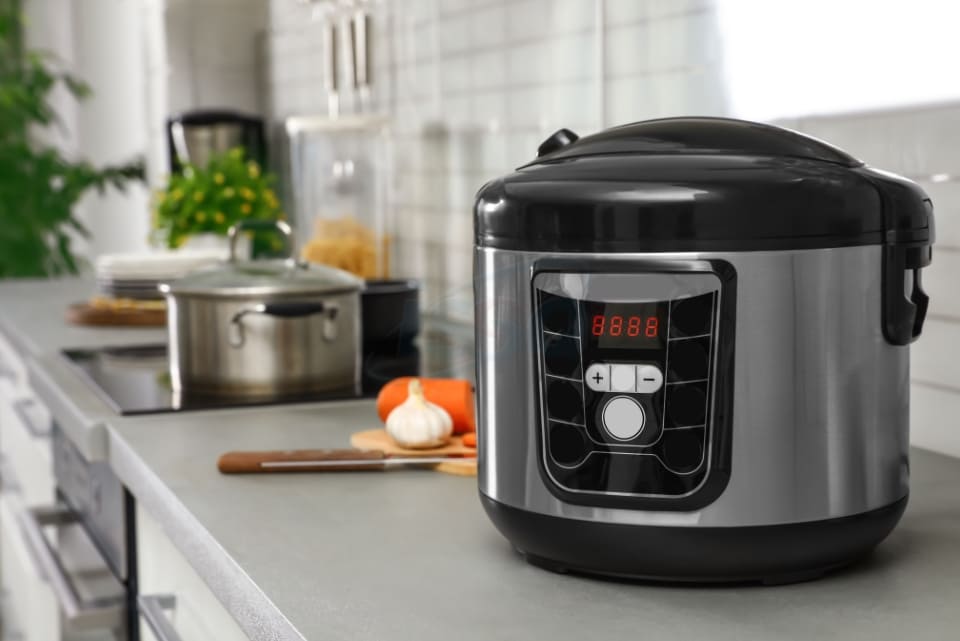
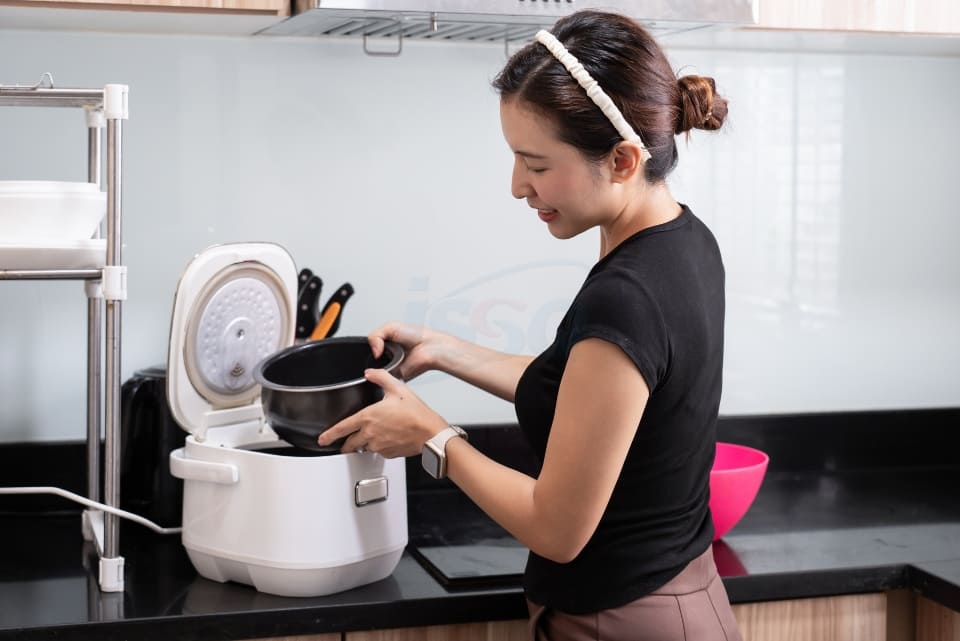
Rice cookers are household electrical appliances that use electricity to cook and keep rice warm, and they are widely applied in everyday life. Due to their convenience, ease of use, and time-saving features, rice cookers have become essential appliances in almost every household.
A typical rice cooker includes the following main components:
Depending on the technology used, rice cookers can be classified into:
Rice cookers operate based on the principle of converting electrical energy into thermal energy. When electricity is supplied, the heating plate warms the inner pot to boil water and cook the rice. Once the water evaporates, the temperature rises and the appliance automatically switches to the warming mode.
This process continuously involves electric current and high temperatures, requiring the appliance to be designed for safety throughout its entire service life.
Due to their operating characteristics, rice cookers may create several risks if product quality is not ensured, such as electric leakage that may endanger users, overheating that may cause fire or explosion, damage to insulation layers or internal components, and failures in temperature control systems.
Therefore, quality control and safety assessment of rice cookers before they are marketed are essential, especially for products belonging to the household electrical appliance group.
QCVN 4 is the national technical regulation on safety for electrical and electronic equipment issued by the Ministry of Science and Technology of Vietnam. This regulation specifies technical safety and management requirements for electrical and electronic products within the regulated product list, including household appliances such as rice cookers.
For rice cookers, products must comply with TCVN 5699-2-15:2013, which replaces TCVN 5699-2-15:2007. This standard specifies particular safety requirements for appliances used for heating liquids.
Conformity certification for rice cookers under QCVN 4 not only helps products meet quality management requirements but also provides many practical benefits for both businesses and consumers.
Conformity certification under QCVN 4 not only helps rice cookers meet market circulation requirements but also serves as an effective quality management tool, improving competitiveness and supporting sustainable business development.
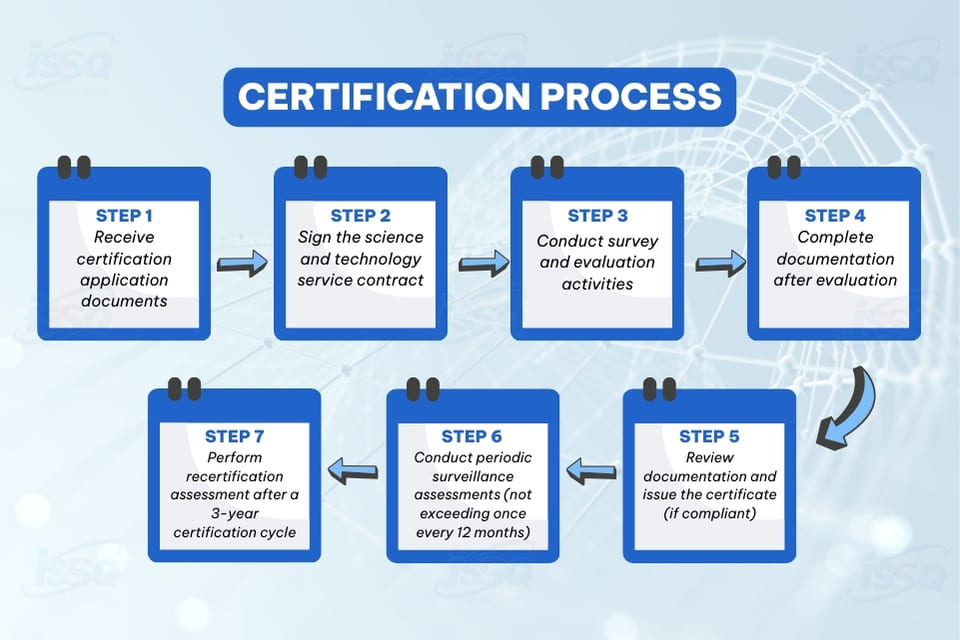
The certification process for rice cookers under QCVN 4 is carried out through the following steps:
Step 1: Receive certification registration documents
Step 2: Sign the science and technology service contract
Step 3: Conduct surveys and assessments
Step 4: Complete documentation after assessment
Step 5: Review documents and issue the certificate if requirements are met
Step 6: Conduct periodic surveillance assessments (not exceeding once every 12 months)
Step 7: Conduct recertification after a 3-year cycle
Conformity certification for rice cookers under QCVN 4 ensures that products meet technical safety requirements before being placed on the market. Through assessment and control activities, products not only ensure user safety but also meet quality management requirements for household electrical appliances.
For businesses, conformity certification is an important basis for improving reputation, controlling product quality, and minimizing risks during production and business operations. At the same time, it also helps enhance competitiveness and sustainably expand the market.
If your company needs an assessment for rice cooker conformity certification under QCVN 4, please contact ISSQ Quality Institute via hotline: +84 981851111 or email: vienchatluong@issq.org.vn | tcvn@issq.org.vn for procedural support.


