
Viện nghiên cứu phát triển tiêu chuẩn chất lượng
INSTITUTE FOR STANDARD AND QUALITY DEVELOPMENT STUDIES


INSTITUTE FOR STANDARD AND QUALITY DEVELOPMENT STUDIES

Quy chuẩn kỹ thuật QCVN 4:2009/BKHCN là quy chuẩn kỹ thuật quốc gia về an toàn đối với thiết bị điện và điện tử, quy định các yêu cầu về an toàn và yêu cầu về quản lý đối với các thiết bị điện và điện tử được quy định trong Danh mục tại Phụ lục của Quy chuẩn kỹ thuật này.
Quy chuẩn kỹ thuật QCVN 4:2009/BKHCN áp dụng đối với các tổ chức, cá nhân sản xuất, nhập khẩu, phân phối và bán lẻ các thiết bị điện, điện tử quy định tại Phụ lục của Quy chuẩn kỹ thuật này, các cơ quan quản lý nhà nước và các tổ chức, cá nhân khác có liên quan.
Bếp từ là thiết bị gia dụng phổ biến trong các hộ gia đình hiện nay. Tuy nhiên, nếu sản phẩm này được đưa ra thị trường mà chưa được chứng nhận hợp quy, người tiêu dùng có thể đối mặt với rủi ro về điện như cháy nổ, điện giật hoặc hỏng hóc thiết bị.
Quy chuẩn QCVN 4 được ban hành nhằm kiểm soát chất lượng an toàn của các thiết bị điện trước khi lưu thông trên thị trong đó có bếp từ.
Bài viết dưới đây của Viện Chất lượng ISSQ sẽ giúp doanh nghiệp cũng như người tiêu dùng hiểu rõ quy chuẩn QCVN 4, lý do cần chứng nhận hợp quy bếp từ, điều kiện lưu thông và quy trình chứng nhận hợp quy.
QCVN 4 là quy chuẩn kỹ thuật quốc gia về an toàn đối với thiết bị điện và điện tử. Quy chuẩn kỹ thuật này quy định các yêu cầu về quản lý đối với các thiết bị điện và điện tử được quy định trong Danh mục tại Phụ lục của Quy chuẩn kỹ thuật này.
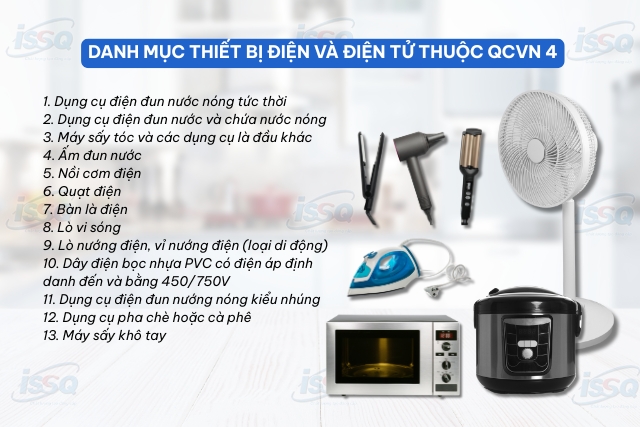
Danh mục này chủ yếu gồm các thiết bị gia dụng phổ biến, trực tiếp tiếp xúc với người tiêu dùng và có nguy cơ gây mất an toàn điện nếu không đạt chuẩn. Cụ thể bao gồm:
Trong danh mục trên, bếp từ được xếp vào nhóm “Lò nướng điện, vỉ nướng điện (loại di động)” và phải đáp ứng các yêu cầu kỹ thuật tại TCVN 5699-2-9:2017 (IEC 60335-2-9:2016) thay thế cho TCVN 5699-2-9:2004 (IEC 60335-2-9:2002) Thiết bị điện gia dụng và thiết bị điện tương tự. An toàn. Phần 2-9: Yêu cầu cụ thể đối với vỉ nướng, máy nướng bánh mỳ và các thiết bị nấu di động tương tự.
Chứng nhận hợp quy là việc đánh giá chứng nhận sản phẩm phù hợp với một quy chuẩn kỹ thuật quốc gia tương ứng. Chứng nhận hợp quy bếp từ theo QCVN 4 là một trong những biện pháp quản lý nhà nước về chất lượng sản phẩm và là một quy trình bắt buộc, nhằm mục đích:
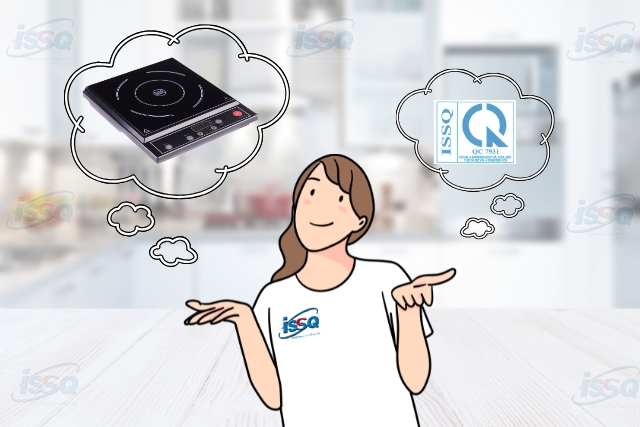
Chứng nhận hợp quy bếp từ theo QCVN 4 mang lại nhiều giá trị thiết thực cho doanh nghiệp, người tiêu dùng và cơ quan quản lý. Việc sản phẩm đáp ứng đúng quy chuẩn giúp đảm bảo an toàn điện, nâng cao chất lượng và minh bạch trên thị trường.
1. Đối với nhà sản xuất và nhập khẩu thiết bị điện – điện tử
2. Đối với người tiêu dùng
3. Đối với cơ quan quản lý nhà nước
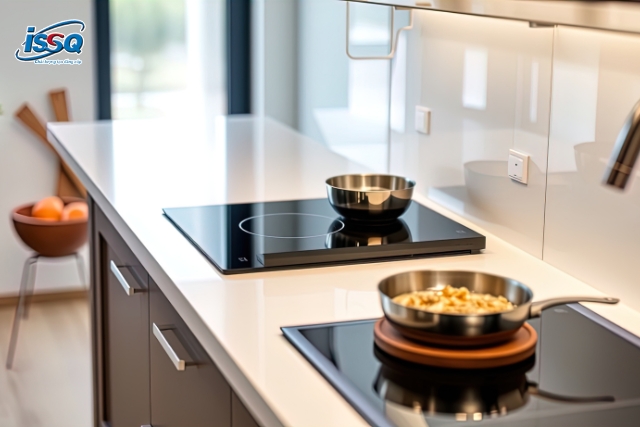
Các thiết bị điện và điện tử khi lưu thông trên thị trường phải có nhãn hàng hóa theo quy định của pháp luật về nhãn hàng hóa; phải được chứng nhận hợp quy, mang dấu hợp quy (dấu CR) theo quy định của Quy chuẩn kỹ thuật này và chịu sự kiểm tra trên thị trường của cơ quan kiểm tra chất lượng sản phẩm, hàng hóa.
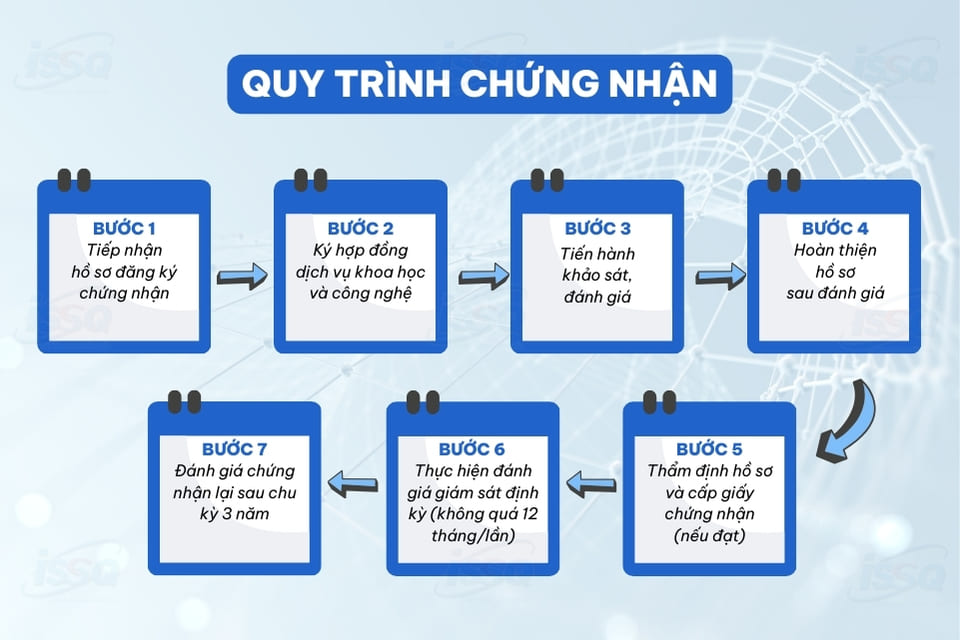
Quy trình chứng nhận hợp quy bếp từ theo QCVN 4 được thực hiện theo các bước sau:
Bước 1: Tiếp nhận hồ sơ đăng ký chứng nhận
Bước 2: Ký hợp đồng dịch vụ khoa học công nghệ
Bước 3: Tiến hành khảo sát, đánh giá
Bước 4: Hoàn thiện hồ sơ sau đánh giá
Bước 5: Thẩm định hồ sơ và cấp giấy chứng nhận (nếu đạt)
Bước 6: Thực hiện đánh giá giám sát không quá 12 tháng/lần
Bước 7: Thực hiện đánh giá chứng nhận lại (chứng chỉ hết hạn 3 năm)
Chứng nhận hợp quy theo QCVN 4 là bước bắt buộc và cần thiết đối với bếp từ trước khi lưu thông trên thị trường. Việc tuân thủ quy chuẩn không chỉ bảo vệ người tiêu dùng, tránh rủi ro kỹ thuật mà còn giúp doanh nghiệp khẳng định chất lượng sản phẩm và nâng cao uy tín thương hiệu.
Quý công ty có nhu cầu đánh giá chứng nhận hợp quy bếp từ theo QCVN 4 hãy liên hệ với Viện Chất lượng ISSQ theo hotline: 0981851111 hoặc vienchatluong@issq.org.vn | tcvn@issq.org.vn để được hỗ trợ thủ tục.
Ngày đăng: 08/12/2025


