
Viện nghiên cứu phát triển tiêu chuẩn chất lượng
INSTITUTE FOR STANDARD AND QUALITY DEVELOPMENT STUDIES


INSTITUTE FOR STANDARD AND QUALITY DEVELOPMENT STUDIES
Ván gỗ nhân tạo ngày càng được sử dụng rộng rãi trong nội thất và xây dựng nhờ tính linh hoạt, giá thành hợp lý và khả năng thay thế gỗ tự nhiên. Tuy nhiên, để đảm bảo chất lượng và an toàn trong quá trình sử dụng, các sản phẩm này cần được kiểm soát theo những yêu cầu kỹ thuật nhất định trước khi đưa ra thị trường.
Trong bối cảnh đó, việc chứng nhận hợp quy theo QCVN 16 trở thành cơ sở quan trọng giúp đánh giá và xác nhận mức độ phù hợp của sản phẩm với các yêu cầu kỹ thuật tương ứng.
Hãy cùng Viện Chất lượng ISSQ tìm hiểu chi tiết về yêu cầu, lợi ích và quy trình chứng nhận hợp quy ván gỗ nhân tạo trong bài viết dưới đây.
Ván gỗ nhân tạo (còn gọi là gỗ công nghiệp, ván công nghiệp) là loại vật liệu được sản xuất từ sợi gỗ, dăm gỗ hoặc bột gỗ, kết hợp với keo và các chất phụ gia, sau đó được nén ép dưới điều kiện áp suất và nhiệt độ cao để tạo thành tấm ván hoàn chỉnh.
Nhờ quy trình sản xuất này, ván gỗ nhân tạo có đặc tính ổn định hơn so với gỗ tự nhiên, với bề mặt phẳng, độ bền tương đối cao, hạn chế cong vênh, co ngót và ít bị ảnh hưởng bởi mối mọt. Đồng thời, sản phẩm có giá thành hợp lý, phù hợp với nhu cầu sử dụng phổ biến trên thị trường hiện nay.
Với những đặc điểm trên, ván gỗ nhân tạo được xem là giải pháp thay thế hiệu quả cho gỗ tự nhiên, góp phần tối ưu chi phí và giảm áp lực khai thác tài nguyên rừng trong lĩnh vực nội thất và xây dựng.
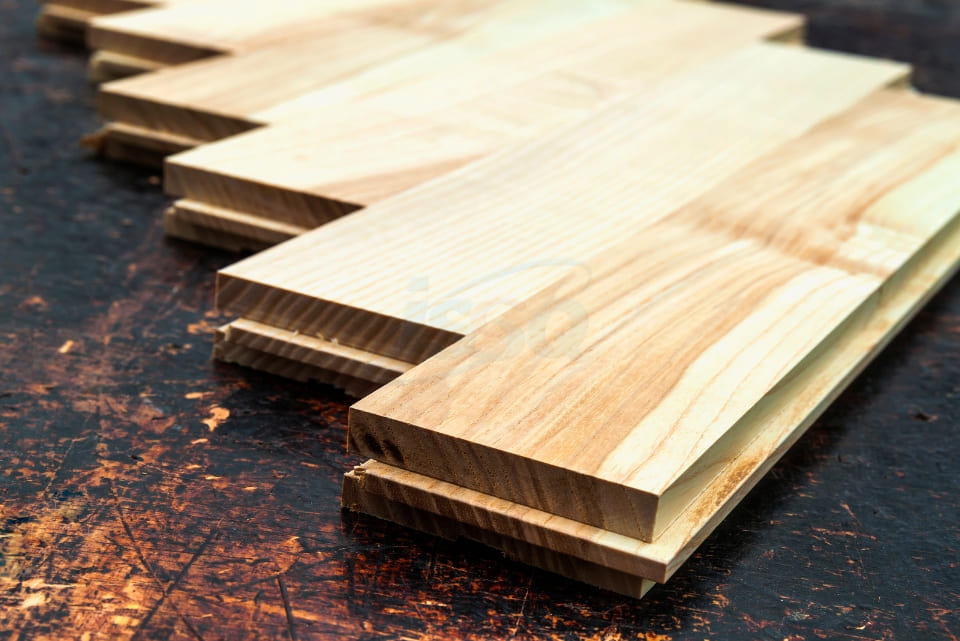
QCVN 16:2023/BXD là quy chuẩn kỹ thuật quốc gia về sản phẩm, hàng hóa vật liệu xây dựng, quy định các mức giới hạn về đặc tính kỹ thuật và yêu cầu quản lý đối với các sản phẩm vật liệu xây dựng thuộc danh mục quản lý. Quy chuẩn này áp dụng cho các sản phẩm được sản xuất trong nước, nhập khẩu, kinh doanh, lưu thông trên thị trường và sử dụng trong các công trình xây dựng tại Việt Nam.
Đối tượng áp dụng bao gồm:
Theo quy định, các sản phẩm vật liệu xây dựng thuộc nhóm 2 là những sản phẩm trong điều kiện sử dụng bình thường vẫn tiềm ẩn khả năng gây mất an toàn cho con người, tài sản và môi trường. Do đó, các sản phẩm này cần được kiểm soát chất lượng thông qua hoạt động chứng nhận hợp quy trước khi lưu thông trên thị trường.
Trong đó, ván gỗ nhân tạo là một trong các sản phẩm thuộc danh mục phải đánh giá hợp quy.
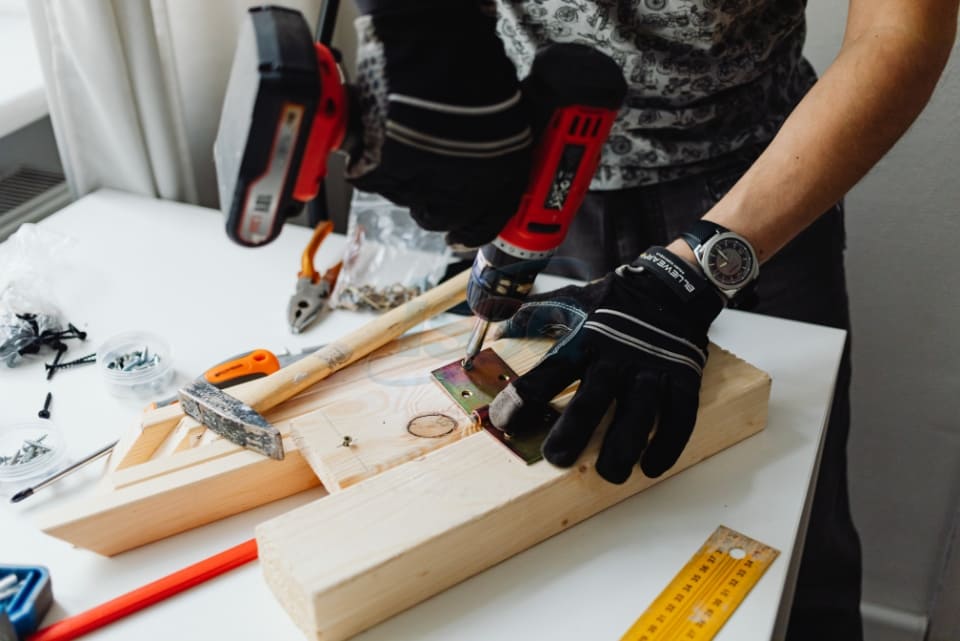
Ván gỗ nhân tạo là vật liệu được sử dụng trực tiếp trong không gian sinh hoạt và công trình xây dựng, do đó các yếu tố như độ bền cơ học, khả năng chịu lực và đặc biệt là mức phát thải formaldehyde cần được kiểm soát chặt chẽ.
Quy chuẩn QCVN 16 quy định ván gỗ nhân tạo cần đáp ứng các chỉ tiêu kỹ thuật sau:
| Tên sản phẩm | Chỉ tiêu kỹ thuật | Mức yêu cầu | Phương pháp thử | Quy cách mẫu |
| Ván sợi | Độ trương nở chiều dày sau khi ngâm trong nước | Phụ thuộc từng loại theo TCVN 7753:2007
| TCVN 12445:2018 (ISO 16983:2003) | Lấy tối thiểu 02 mẫu nguyên khổ mỗi lô |
| Độ bền uốn tĩnh | TCVN 12446:2018 (ISO 16978:2003) | |||
| Độ bền kéo vuông góc với mặt ván | TCVN 12447:2018 (ISO 16984:2003) | |||
| Hàm lượng formaldehyde phát tán – Phân loại E1 | ≤ 0,124 mg/m³ hoặc ≤ 9 mg/100g | TCVN 11899-1:2018 (ISO 12460-1) / TCVN 11899-5:2018 (ISO 12460-5) | ||
| Hàm lượng formaldehyde phát tán – Phân loại E2 | > 0,124 mg/m³ hoặc ≤ 30 mg/100g | TCVN 11899-1:2018 / TCVN 11899-5:2018 | ||
| Ván dăm | Độ trương nở chiều dày sau khi ngâm trong nước | Phụ thuộc từng loại theo TCVN 12362:2018 (ISO 16893:2016)
| TCVN 12445:2018 (ISO 16983:2003) | Lấy tối thiểu 02 mẫu nguyên khổ mỗi lô |
| Độ bền uốn tĩnh | TCVN 12446:2018 (ISO 16978:2003) | |||
| Độ bền kéo vuông góc với mặt ván | TCVN 12447:2018 (ISO 16984:2003) | |||
| Hàm lượng formaldehyde phát tán | ≤ 0,124 mg/m³ hoặc ≤ 0,7 mg/l hoặc ≤ 8,0 mg/100g | TCVN 11899-1:2018 / TCVN 11899-4:2018 / TCVN 11899-5:2018 | ||
| Ván ghép từ thanh (dày & trung bình) | Hàm lượng formaldehyde phát tán | ≤ 0,124 mg/m³ | TCVN 11899-1:2018 (ISO 12460-1) | TCVN 11903:2017 (ISO 16999:2003), 02 mẫu kích thước (0,5 × 0,5 m) |
Việc chứng nhận hợp quy theo QCVN 16 giúp đánh giá mức độ phù hợp của sản phẩm với các yêu cầu kỹ thuật tương ứng, từ đó đảm bảo chất lượng và an toàn trong quá trình sử dụng. Đồng thời, đây cũng là cơ sở để doanh nghiệp thực hiện công bố hợp quy và đưa sản phẩm lưu thông trên thị trường theo đúng quy định quản lý đối với vật liệu xây dựng.
Thông qua hoạt động này, sản phẩm được minh bạch về chất lượng, góp phần nâng cao độ tin cậy và khả năng cạnh tranh trên thị trường.
Chứng nhận hợp quy ván gỗ nhân tạo theo QCVN 16 không chỉ là hoạt động đánh giá sự phù hợp về mặt kỹ thuật, mà còn mang lại nhiều giá trị thiết thực cho doanh nghiệp và thị trường.
Việc chứng nhận hợp quy ván gỗ nhân tạo theo QCVN 16 không chỉ giúp đảm bảo sản phẩm đáp ứng các yêu cầu kỹ thuật cần thiết, mà còn góp phần nâng cao uy tín doanh nghiệp và tạo nền tảng phát triển bền vững trên thị trường.
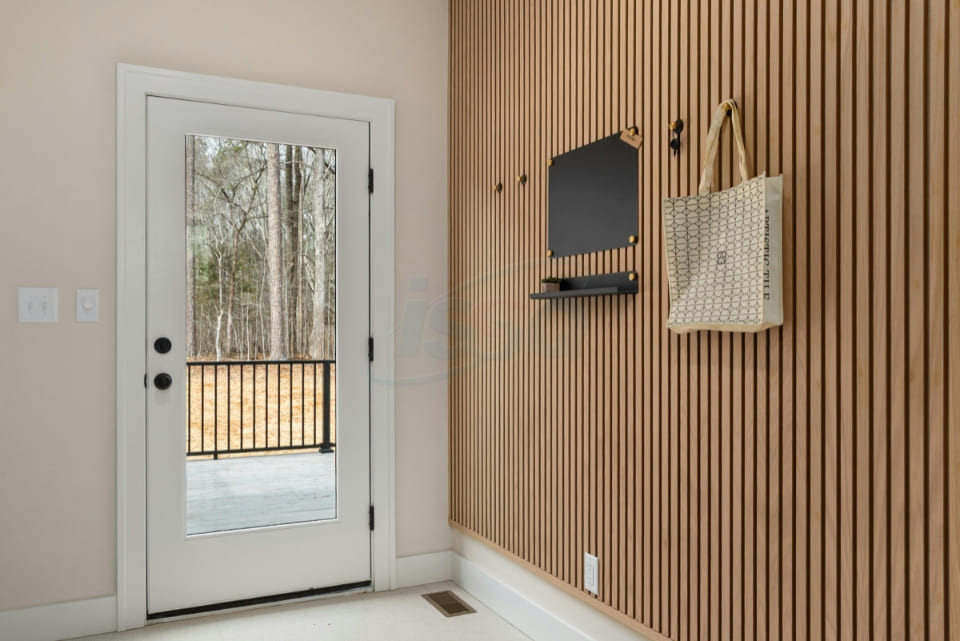
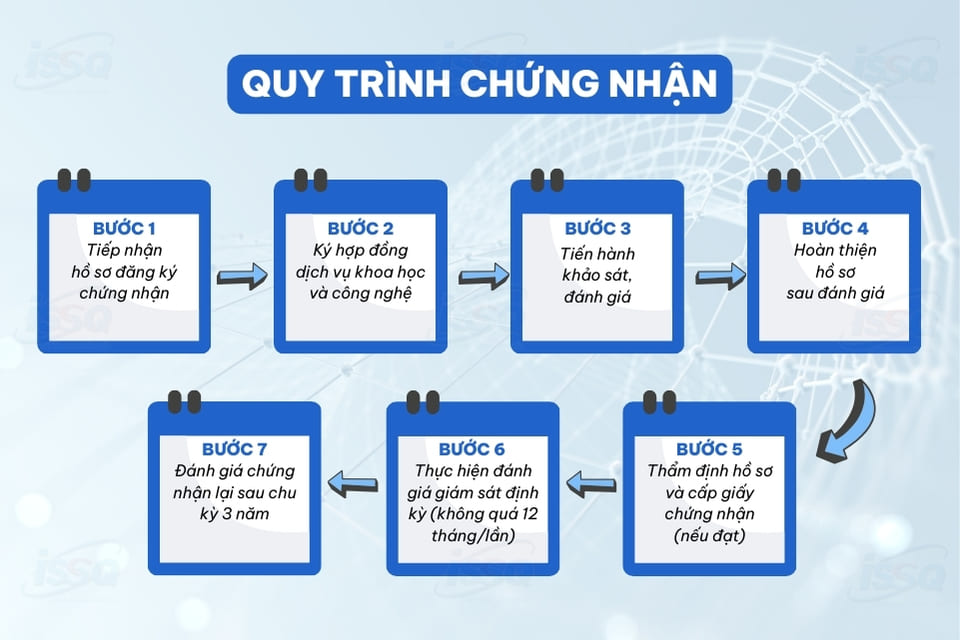
Để được cấp giấy chứng nhận hợp quy, sản phẩm ván gỗ nhân tạo cần trải qua quá trình đánh giá sự phù hợp QCVN 16 theo các bước cơ bản sau:
Bước 1: Tiếp nhận hồ sơ đăng ký chứng nhận
Bước 2: Ký hợp đồng dịch vụ khoa học công nghệ
Bước 3: Tiến hành khảo sát, đánh giá
Bước 4: Hoàn thiện hồ sơ sau đánh giá
Bước 5: Thẩm định hồ sơ và cấp giấy chứng nhận ( nếu đạt)
Bước 6: Thực hiện đánh giá giám sát không quá 12 tháng/lần
Bước 7: Thực hiện đánh giá chứng nhận lại ( chứng chỉ hết hạn 3 năm)
Chứng nhận hợp quy ván gỗ nhân tạo theo QCVN 16 là bước quan trọng nhằm đảm bảo sản phẩm đáp ứng các yêu cầu kỹ thuật cần thiết trước khi lưu thông trên thị trường. Không chỉ góp phần kiểm soát chất lượng và an toàn trong sử dụng, hoạt động này còn giúp doanh nghiệp nâng cao uy tín và tăng khả năng cạnh tranh trong lĩnh vực vật liệu xây dựng.
Việc chủ động thực hiện chứng nhận hợp quy ngay từ đầu sẽ tạo nền tảng vững chắc để doanh nghiệp phát triển ổn định, đồng thời đáp ứng tốt hơn các yêu cầu ngày càng cao của thị trường.
Quý công ty có nhu cầu đánh giá chứng nhận hợp quy ván gỗ nhân tạo theo QCVN 16 hãy liên hệ với Viện Chất lượng ISSQ theo hotline: 0981851111 hoặc vienchatluong@issq.org.vn | tcvn@issq.org.vn để được hỗ trợ thủ tục.


