
Viện nghiên cứu phát triển tiêu chuẩn chất lượng
INSTITUTE FOR STANDARD AND QUALITY DEVELOPMENT STUDIES


INSTITUTE FOR STANDARD AND QUALITY DEVELOPMENT STUDIES
15/01/2026
Sự phát triển mạnh mẽ của công nghệ giáo dục (EdTech) và học tập trực tuyến đang làm thay đổi cách thức tổ chức, triển khai và quản lý hoạt động đào tạo. Tuy nhiên, đi cùng với tính linh hoạt và khả năng mở rộng là những thách thức về đảm bảo chất lượng, trải nghiệm người học và tính nhất quán trong vận hành các chương trình đào tạo trên môi trường số.
Trong bối cảnh đó, tiêu chuẩn ISO 21001 được xem là một công cụ quản lý giúp các tổ chức giáo dục và doanh nghiệp EdTech tiếp cận chất lượng đào tạo theo hướng lấy người học làm trung tâm.
Hãy cùng Viện Chất lượng ISSQ tìm hiểu vai trò của ISO 21001 trong bối cảnh EdTech và học tập trực tuyến thông qua nội dung bài viết dưới đây.
ISO 21001 Hệ thống quản lý các tổ chức giáo dục là tiêu chuẩn quốc tế áp dụng cho các tổ chức giáo dục, cung cấp một khung quản lý chung nhằm hỗ trợ các tổ chức cung cấp sản phẩm và dịch vụ giáo dục đáp ứng tốt hơn nhu cầu của người học và các bên liên quan. Tiêu chuẩn này định hướng xây dựng hệ thống quản lý giáo dục theo cách tiếp cận có cấu trúc, nhất quán và lấy người học làm trung tâm.
Tiêu chuẩn ISO 21001 được ban hành bởi International Organization for Standardization, hướng đến việc nâng cao hiệu quả quản lý, cải tiến chất lượng đào tạo và tăng cường tính minh bạch trong hoạt động giáo dục, đặc biệt phù hợp với các mô hình đào tạo linh hoạt, bao gồm cả học tập trực tuyến và EdTech.
Tiêu chuẩn ISO 21001 có thể áp dụng cho bất kỳ tổ chức nào sử dụng chương trình giảng dạy để hỗ trợ phát triển năng lực thông qua giảng dạy, học tập hoặc nghiên cứu, không phân biệt loại hình, quy mô hay phương thức cung cấp giáo dục.
Tiêu chuẩn này cũng phù hợp với:
Tiêu chuẩn ISO 21001 được áp dụng cho nhiều cấp và loại hình giáo dục khác nhau, bao gồm:
Với phạm vi áp dụng rộng và linh hoạt, tiêu chuẩn ISO 21001 tạo nền tảng quản lý phù hợp cho cả các cơ sở giáo dục truyền thống lẫn các tổ chức EdTech và mô hình học tập trực tuyến trong bối cảnh chuyển đổi số hiện nay.

EdTech (Education Technology) là việc ứng dụng công nghệ (phần cứng, phần mềm, nền tảng số, trí tuệ nhân tạo…) vào hoạt động giáo dục nhằm đổi mới phương pháp giảng dạy – học tập, nâng cao chất lượng đào tạo và cải thiện trải nghiệm của người học. EdTech bao phủ toàn bộ hệ sinh thái công nghệ phục vụ giáo dục, từ công cụ hỗ trợ lớp học đến các nền tảng học tập số hóa.
Một số ví dụ điển hình của EdTech gồm: hệ thống quản lý học tập (LMS), nền tảng lớp học số như Google Classroom, ứng dụng học ngoại ngữ, công cụ hội nghị trực tuyến, AI hỗ trợ cá nhân hóa học tập, công nghệ thực tế ảo/tăng cường (VR/AR).

Học tập trực tuyến (E-learning) là phương thức học tập thông qua internet, sử dụng các công cụ và nền tảng EdTech để truyền tải nội dung, tổ chức tương tác và đánh giá kết quả học tập. Hình thức này cho phép người học tiếp cận kiến thức mọi lúc, mọi nơi, không bị giới hạn bởi không gian lớp học truyền thống.
Các mô hình học trực tuyến phổ biến hiện nay có thể kể đến các khóa học online trên Coursera, lớp học ảo qua Zoom hoặc Google Meet.
Chính những đặc thù này khiến EdTech và học tập trực tuyến cần đến các công cụ quản lý có cấu trúc và định hướng chất lượng, trong đó ISO 21001 đóng vai trò trong việc chuẩn hóa và nâng cao hiệu quả quản lý giáo dục trên môi trường số.
Trong môi trường EdTech và học tập trực tuyến, nơi hoạt động đào tạo phụ thuộc lớn vào công nghệ và trải nghiệm số của người học, tiêu chuẩn ISO 21001 cung cấp một khung quản lý phù hợp để các tổ chức giáo dục kiểm soát, duy trì và cải tiến chất lượng đào tạo một cách có hệ thống.
Tiêu chuẩn ISO 21001 định hướng tổ chức giáo dục xác định rõ nhu cầu, kỳ vọng và mức độ hài lòng của người học. Trong bối cảnh học tập trực tuyến, điều này giúp các nền tảng EdTech:
Tiêu chuẩn yêu cầu tổ chức kiểm soát chặt chẽ các quá trình từ:
Nhờ đó, chất lượng đào tạo không phụ thuộc hoàn toàn vào từng giảng viên hay từng khóa học riêng lẻ, mà được quản lý nhất quán trên toàn hệ thống.
Tiêu chuẩn ISO 21001 khuyến khích tiếp cận dựa trên quản lý rủi ro, rất phù hợp với môi trường học tập trực tuyến vốn tiềm ẩn nhiều yếu tố không ổn định như:
Việc nhận diện và kiểm soát rủi ro giúp tổ chức EdTech chủ động cải tiến và nâng cao tính bền vững của mô hình đào tạo.
Tăng cường minh bạch và khả năng đo lường hiệu quả
Thông qua việc thiết lập mục tiêu, chỉ số đánh giá và cơ chế theo dõi, tiêu chuẩn ISO 21001 hỗ trợ các tổ chức:
Hỗ trợ cải tiến liên tục và mở rộng quy mô
Tiêu chuẩn ISO 21001 không chỉ tập trung vào việc duy trì chất lượng hiện tại mà còn thúc đẩy cải tiến liên tục. Điều này đặc biệt quan trọng với EdTech khi mở rộng quy mô người học, chương trình và nền tảng công nghệ mà vẫn cần đảm bảo chất lượng đào tạo ổn định.
Nhờ cách tiếp cận quản lý có cấu trúc và linh hoạt, tiêu chuẩn ISO 21001 trở thành công cụ phù hợp giúp các tổ chức EdTech và đào tạo trực tuyến quản lý hiệu quả hoạt động giáo dục trong bối cảnh chuyển đổi số.

Mặc dù mang lại nhiều lợi ích, việc triển khai tiêu chuẩn ISO 21001 trong môi trường EdTech và học tập trực tuyến cũng đặt ra không ít thách thức đối với các tổ chức giáo dục:
Nhận diện rõ các thách thức này giúp tổ chức EdTech chủ động xây dựng lộ trình áp dụng tiêu chuẩn ISO 21001 phù hợp với đặc thù học tập trực tuyến.

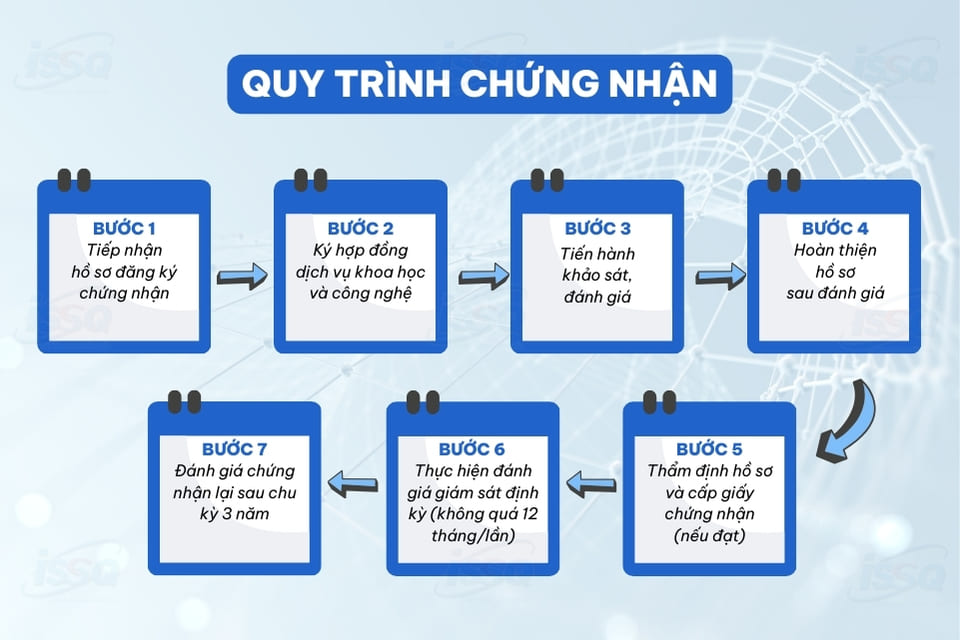
Quy trình chứng nhận ISO 21001 được thực hiện qua các bước cơ bản sau:
Bước 1: Tiếp nhận hồ sơ đăng ký chứng nhận
Bước 2: Ký hợp đồng dịch vụ khoa học và công nghệ
Bước 3: Tiến hành khảo sát, đánh giá
Bước 4: Hoàn thiện hồ sơ sau đánh giá
Bước 5: Thẩm định hồ sơ và cấp giấy chứng nhận (nếu đạt)
Bước 6: Thực hiện đánh giá giám sát định kỳ (không quá 12 tháng/lần)
Bước 7: Đánh giá chứng nhận lại sau chu kỳ 3 năm
Trong bối cảnh EdTech và học tập trực tuyến ngày càng phát triển, việc đảm bảo chất lượng đào tạo, trải nghiệm người học và tính nhất quán trong quản lý trở thành yêu cầu quan trọng đối với các tổ chức giáo dục. ISO 21001 cung cấp một khung quản lý phù hợp, giúp các tổ chức tiếp cận hoạt động giáo dục theo hướng có hệ thống, minh bạch và lấy người học làm trung tâm, kể cả trong môi trường đào tạo số.
Việc áp dụng ISO 21001 không chỉ hỗ trợ các tổ chức EdTech nâng cao chất lượng đào tạo và năng lực quản lý, mà còn tạo nền tảng cho sự cải tiến liên tục và phát triển bền vững.
Quý công ty có nhu cầu đánh giá chứng nhận ISO 21001 Hệ thống quản lý các tổ chức giáo dục hãy liên hệ với Viện Chất lượng ISSQ theo hotline: 0981851111 hoặc vienchatluong@issq.org.vn | tcvn@issq.org.vn để được hỗ trợ thủ tục.
Ngày đăng: 15/01/2026


